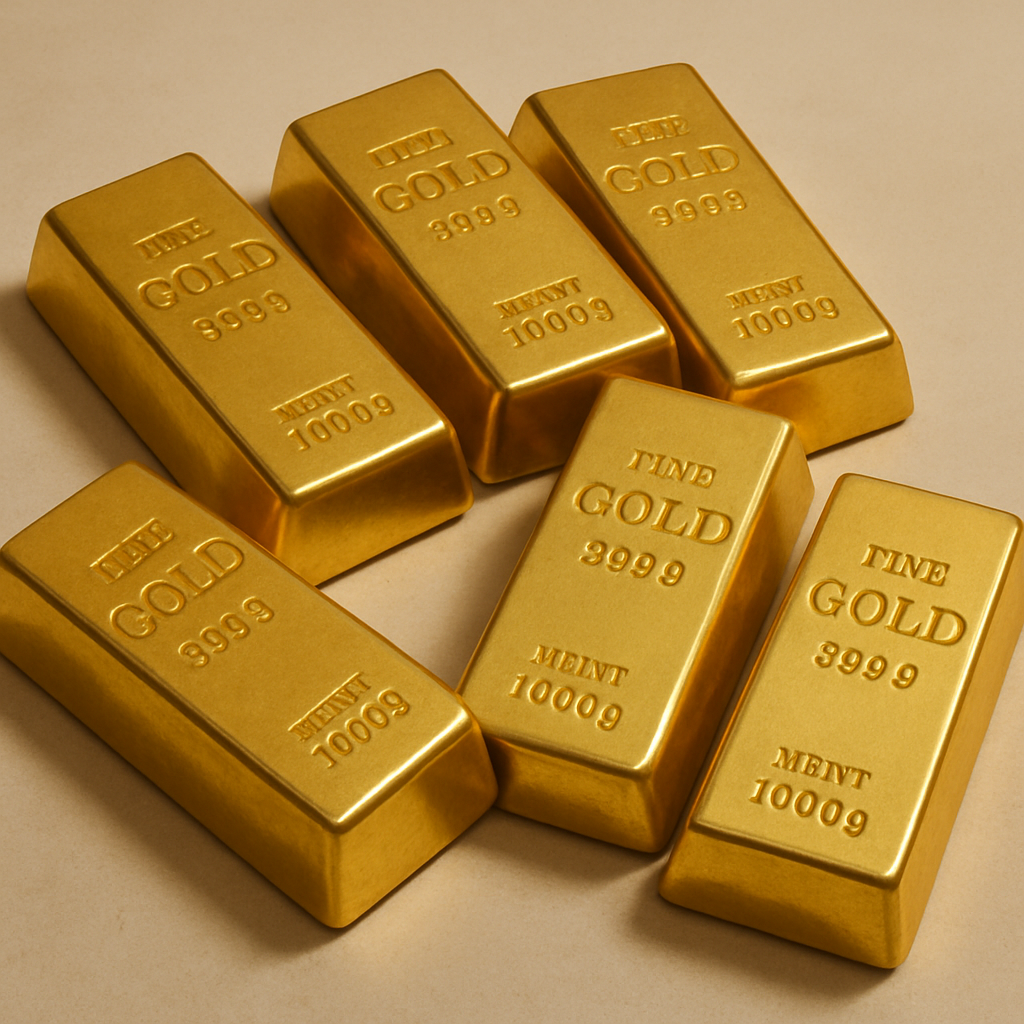
What Should You Look for in Gold Sellers in Uganda?
Gold sellers in Uganda serve different types of customers and may offer different forms of gold. A buyer looking for investment-grade bullion has different requirements from a jeweler buying material for manufacturing, while an international commercial buyer may need additional documentation for export and customs clearance. This is why the phrase “gold sellers in Uganda” represents several different search intents rather than one single type of transaction.
A strong buying process begins with clarity. What form of gold are you buying? What quantity? What purity or fineness is expected? Is the gold sourced in Uganda or being re-exported? Will the transaction be completed locally or exported? Who is responsible for assay, transport, customs clearance, insurance and other transaction costs? What documents will be provided before payment and before shipment?
Pearl Gold Logistics positions itself around this type of structured sourcing. Its website describes local market expertise, product verification, documentation, logistics coordination and international trade support. It also describes a portfolio of gold bars, ore, nuggets and dust.
our guide is designed to answer the questions behind the search for gold sellers in Uganda while keeping business-specific claims separate from regulatory information. It does not guarantee that any particular seller, product, price or transaction is suitable for every buyer. Gold transactions should be assessed using current documentation and the requirements applicable to the specific transaction.

What Are Gold Sellers in Uganda?
Gold sellers in Uganda are businesses or individuals involved in buying, selling, sourcing, trading or otherwise dealing in gold and other precious minerals within the applicable legal framework. The phrase can cover several business models, including mineral dealers, gold traders, sourcing companies, bullion businesses, refiners and other entities participating in the supply chain.
The exact role matters. A company selling refined bullion is not necessarily performing the same function as a company sourcing gold from upstream suppliers. Likewise, a business that assists with logistics is not automatically a customs agent or a government regulator. Buyers should identify the specific service being offered and the legal permissions required for that activity.
Uganda’s Department of Geological Survey and Mines identifies gold as a precious metal and provides a Mineral Dealers Licence framework for mineral trading. Its current licensing procedure states that a Mineral Dealers Licence for precious metals expires on 31 December of the year of issue and lists application, financial, tax and technical requirements. The same document states that export permits are granted per consignment and identifies supporting requirements such as a valid MDL or mineral right, relevant forms, royalty evidence where applicable, certificate of origin where applicable, and certificate of analysis authenticated by the country of origin.
What Types of Gold May Be Offered?
The form of gold affects how it should be evaluated, priced, handled and documented. Common forms include bullion bars, nuggets, gold dust, gold ore and jewelry or other fabricated products. At Pearl Gold Logistics, we offer gold bars, gold ore, gold nuggets and gold dust as part of its portfolio.
| Gold form | Typical buyer considerations | Key checks |
| Gold bars / bullion | Weight, fineness, markings, assay, provenance, packaging and transaction documentation | Independent or documented assay; weight; fineness; bar identification; seller documentation |
| Gold nuggets | Natural form, weight, purity variability and provenance | Assay; weight; source documentation; transaction terms |
| Gold dust | Fine material requiring careful weighing and purity assessment | Assay method; moisture/contamination controls where relevant; weight; documentation |
| Gold ore | Material containing gold rather than refined gold | Origin; sampling method; assay; recovery assumptions; commercial terms |
| Jewelry / fabricated gold | Value includes workmanship and alloy composition | Karat/fineness; weight; workmanship; hallmarking where applicable |
The World Gold Council explains that carat measures gold purity in alloys, while fineness expresses precious-metal content in parts per thousand. For example, 18-carat gold contains 75% gold, while 24-carat is commonly represented in practice by very high fineness such as 999.9.
A buyer should therefore avoid comparing prices between different forms of gold without first normalizing the relevant variables: weight, fineness, form, assay basis, refining status, delivery terms, taxes or fees, and other transaction costs.
What Should a Gold Seller Provide?
A professional transaction should make it possible for the buyer to understand exactly what is being sold and under what conditions. The documentation required will vary with the transaction, but a buyer can reasonably ask for a clear description of the product, quantity, stated purity, price basis, seller identity, payment terms and delivery or collection arrangements.
- Clear identification of the seller or contracting entity.
- Description of the gold form and quantity.
- An agreed method for determining weight and purity.
- Assay or analysis documentation where applicable.
- Information supporting the legal source and chain of custody where required.
- Invoice or other commercial documentation appropriate to the transaction.
- Applicable mineral-dealing, export or customs documentation when required.
- Written terms covering payment, inspection, delivery, insurance and responsibility for costs.
- Contact information that allows the buyer to communicate with the actual business.
Uganda Revenue Authority guidance on export facilitation identifies commercial documents such as commercial invoices and packing lists, and notes that product-specific requirements may include assay reports for gold. It also describes electronic customs declaration through ASYCUDA World and the role of licensed clearing agents in export clearance.
What Should a Gold Seller Not Ask You to Ignore?
A buyer should be cautious if a proposed transaction discourages basic verification or insists that normal documentation is unnecessary. Red flags can include pressure to pay before product details are documented, refusal to identify the contracting party, unexplained changes in price, claims of guaranteed purity without a credible verification method, requests to bypass customs or export procedures, or instructions to misdescribe the goods on commercial documents.
The issue is not whether every informal transaction is automatically fraudulent. The issue is whether the buyer can establish the facts needed to make a defensible commercial decision. A legitimate transaction should be capable of being explained in terms of product, price, source, documentation, payment, delivery and legal requirements.
Why Verification Matters When Buying Gold in Uganda
Gold has significant value in a relatively small physical volume, so errors in weight, purity or provenance can materially change the economics of a transaction. Verification protects both sides by creating an agreed basis for payment and delivery.
Purity is especially important. Two pieces of gold with the same gross weight can contain very different amounts of fine gold. That is why a buyer should understand whether a quoted price is based on gross weight, fine-gold content, a specific assay result or another agreed basis.
Assay procedures vary according to the material and the purpose of the transaction. For bullion, the buyer may want bar identification and assay documentation. For ore or dust, sampling becomes particularly important because an unrepresentative sample can produce a misleading result. Buyers dealing with substantial quantities should consider independent professional testing and should establish in advance who selects the laboratory, who pays for the test and what happens if the result differs from the seller’s stated specification.
International bullion standards also illustrate why integrity and traceability matter. LBMA’s Good Delivery framework combines requirements covering due diligence, bar specifications and responsible sourcing for refiners accepted on its Good Delivery List. This does not mean every Ugandan gold seller must be an LBMA Good Delivery refiner. Rather, it demonstrates the broader principle that quality, provenance and responsible sourcing are distinct questions that should not be collapsed into a single claim of “pure gold.”
How Does Buying Gold From a Seller in Uganda Work?
- Define the purchase requirement. State the form of gold, target quantity, desired purity, intended use and delivery location.
- Identify and screen the seller. Confirm the business identity, location, contact details and the type of gold-trading activity being offered.
- Request product and compliance information. Ask what documentation accompanies the proposed transaction and which party is responsible for each stage.
- Agree the verification method. Establish how weight and purity will be determined and whether an independent assay is required.
- Review the commercial offer. Confirm the price basis, currency, fees, taxes or charges, payment milestones and validity period of the quotation.
- Complete appropriate documentation. Use invoices, contracts and any mineral, export or customs documents required for the transaction.
- Arrange secure handling and logistics. Agree collection, transport, insurance and delivery responsibilities.
- Complete payment according to the agreed terms. Avoid changing the agreed process without written confirmation and appropriate verification.
- Retain records. Keep invoices, assay reports, permits, correspondence and shipping or customs documentation for the transaction record.
Uganda Gold Licensing and Export Compliance
Gold trading is not simply an ordinary retail transaction when mineral-dealing and export rules apply. Uganda’s regulatory framework distinguishes mineral trading from other commercial activities, and the Department of Geological Survey and Mines publishes licensing procedures for mineral dealers.
The current DGSM mineral-licensing document states that a Mineral Dealers Licence is required for mineral dealing and lists precious metals, including gold, within the relevant class. It also states that a precious-metal MDL expires on 31 December of the year of issue. The document lists requirements such as proof of financial resources, a marketing/buying/selling plan, tax clearance, and proof of technical competence, alongside statutory fees. Because regulatory fees and procedures can change, buyers and sellers should confirm the current requirements directly with DGSM before relying on an older document or quoted fee.
For export, the same DGSM source says the export permit is granted per consignment. It lists a valid MDL or mineral right, the applicable form, royalty evidence where applicable, certificate of origin where applicable, and certificate of analysis authenticated by the country of origin among the requirements. The precise documents for a particular shipment should be confirmed with the competent authorities.
URA also identifies gold and other minerals as regulated/restricted for export purposes and provides customs guidance explaining that exporters must secure necessary documentation and that gold may require an assay report. This reinforces a key buying principle: a seller who can supply gold physically but cannot explain the legal export and customs pathway may not be suitable for an international transaction.
Pearl Gold Logistics as a Gold Seller and Sourcing Partner in Uganda
We are Pearl Gold Logistics, a Uganda based gold sourcing and trading business serving qualified buyers and commercial partners. We have a structured approach involving sourcing, verification, documentation, transaction support and logistics coordination.
Our service characteristics: verified sourcing, quality and purity focus, Uganda market expertise, transparent communication, professional transaction support and international trade support. These statements describe how the company positions its services; buyers should still request transaction-specific evidence and documentation before entering a contract.
Our portfolio includes gold bars, gold ore, gold nuggets and gold dust. Always ask which form is currently available, the quantity offered, the stated purity or assay basis, and the applicable documentation for the particular product. Availability, pricing and transaction conditions should be confirmed directly rather than inferred from a general website description.
For international buyers, the company’s positioning around transaction coordination and international trade support may be relevant. However, logistics support should not be confused with government-issued permits or customs authority. The buyer should establish which documents Pearl Gold Logistics supplies, which documents are issued by government agencies or laboratories, and which services are handled by third parties such as licensed customs agents.
Why Buyers May Consider Pearl Gold Logistics
- Local Uganda market orientation: the company presents its local knowledge as part of its value proposition.
- Product breadth: the website lists gold bars, ore, nuggets and dust.
- Verification focus: the company states that quality, purity and supporting documentation are priorities.
- Transaction support: the website describes assistance from initial enquiry through documentation and delivery coordination.
- International buyer orientation: the company states that it works with qualified international buyers and commercial partners.
- Transparent communication: the company says it provides information about products, pricing, documentation, transaction requirements and logistics.
These are company-positioning statements, not independent certifications or guarantees. A buyer should use them as a basis for questions and due diligence rather than as a substitute for transaction-level verification. citeturn2search0
Gold Sellers in Uganda vs. Alternatives
| Option | Purpose | Typical features / tasks | Cost factors | Limitations | Best for |
| Gold seller / mineral dealer | Buy or sell physical gold | Sourcing, product offer, commercial transaction | Gold content, form, quantity, fees, logistics | Quality and documentation vary by seller | Buyers seeking physical gold |
| Refiner | Refine or process gold | Assay, refining, casting and bar production depending on facility | Refining charge, losses, assay, transport | Not every refiner serves retail or international buyers | Businesses needing processing/refining |
| Jeweler | Sell finished jewelry | Design, manufacture, retail | Gold content plus workmanship | Not the same as bullion pricing | Consumers buying finished jewelry |
| Gold ETF / financial product | Gain financial exposure to gold | Market-based investment without physical handling | Management fees, brokerage and market costs | No direct possession of a specific physical bar | Investors seeking financial exposure |
| Mining company / producer | Extract gold from mineral deposits | Exploration, mining and production | Capital, operating, processing and regulatory costs | Usually not a simple retail source for individual buyers | Institutional or supply-chain buyers |
The best option depends on the buyer’s objective. A jewelry buyer may not need the same documentation as a commercial importer. A bullion buyer may prioritize identifiable bars and assay evidence. A buyer seeking ore may need technical analysis of grade and recovery rather than a retail-style purity certificate.
How Much Does Gold Cost in Uganda?
There is no single fixed “gold price in Uganda” that applies to every physical transaction. The final price can depend on the international gold market, the form of gold, purity or fineness, quantity, seller premium, refining or assay costs, transportation, insurance, taxes or duties where applicable, payment terms and delivery location.
For that reason, publishing a static price on a general information page can become misleading quickly. Buyers should request a current quotation and ask what the quoted price includes. A useful quotation should make clear whether the price is based on gross weight or fine-gold content and whether assay, transport, insurance, export, customs or other charges are included or excluded.
Pearl Gold Logistics’ website states that it provides clear information about products, pricing, documentation, transaction requirements and logistics. Buyers should therefore request a transaction-specific quotation rather than relying on a generic market figure.
Gold prices can move materially during the day, and different forms of gold can trade at different premiums or discounts. This is another reason to time-stamp quotations and document the price basis before payment.
How to Choose the Right Gold Seller in Uganda
- Start with the product, not the seller name. Define exactly what you need.
- Confirm the seller’s legal identity and the nature of its business.
- Ask for current licensing or other applicable permissions and verify them with the relevant authority where appropriate.
- Request product specifications and supporting assay or analysis information.
- Establish the provenance and responsible-sourcing information relevant to the transaction.
- Ask for a written quotation with a clear price basis and validity period.
- Understand the payment structure and do not accept unexplained last-minute changes.
- Clarify delivery, insurance, customs and export responsibilities.
- Use independent professional advice for large or complex transactions.
- Keep a complete transaction file.
A useful decision framework is to score potential sellers on five dimensions: identity and legal standing; product and purity evidence; provenance and compliance; commercial transparency; and logistics capability. The cheapest quote is not necessarily the lowest-cost transaction if verification, customs, insurance or unexpected fees are missing from the initial offer.
Questions to Ask Gold Sellers in Uganda Before Buying
- What exact form of gold is available?
- What is the stated weight and purity?
- How was the purity determined?
- Can the assay or analysis be independently verified?
- What documentation establishes the seller’s authority to trade the gold?
- What documents establish the origin or provenance of the gold?
- Is the price based on gross weight or fine-gold content?
- How long is the quotation valid?
- Who pays for assay, transport, insurance and customs-related costs?
- If the gold is exported, who obtains the export permit and completes customs procedures?
- Which documents will I receive before payment and after shipment?
- What happens if an independent assay differs from the stated purity?
- Who is the legal contracting party?
- Where will the transaction and inspection take place?
- What payment method and milestones are proposed?
- What is the procedure for resolving a dispute?
Common Mistakes When Buying Gold in Uganda
- Choosing a seller solely because the quoted price is unusually low.
- Treating photographs, videos or certificates shown online as sufficient proof of authenticity.
- Paying before the product, price basis and documents are agreed in writing.
- Failing to distinguish ore, dust, nuggets and refined bullion.
- Confusing gross weight with fine-gold weight.
- Assuming an assay report automatically proves legal provenance.
- Assuming a seller’s logistics service replaces government permits or customs procedures.
- Using outdated licensing or fee information.
- Not defining who bears transport, insurance, taxes, customs and assay costs.
- Failing to keep copies of the complete transaction record.
A particularly important mistake is assuming that purity alone establishes a good transaction. A high-purity product can still create problems if its source, ownership, documentation or export status cannot be established. Conversely, a legitimate seller can still have a product whose price is unsuitable for a particular buyer. Due diligence therefore needs to cover both the product and the transaction.
Local Considerations for Buyers Searching for Gold Sellers in Uganda
Local search intent often begins with Kampala because buyers want a physical point of contact, a meeting location, an inspection process or a business that can coordinate the transaction. Our office address is Plot 236 Block 408 Bunga Ggaba and identifies Kampala, Uganda in its contact information. The company website also lists [email protected] as an email contact.
For local transactions, buyers should also distinguish the seller’s office location from the location where gold is sourced, assayed, stored or delivered.
Responsible Sourcing and Supply-Chain Due Diligence
Responsible sourcing is increasingly important in international gold markets because buyers, refiners, banks and downstream businesses may need to understand supply-chain risks. Responsible sourcing is broader than testing whether a metal sample contains gold. It can include understanding the origin of material, counterparties, supply-chain risks and the controls used to manage those risks.
LBMA’s Responsible Gold Guidance describes a due-diligence framework that includes company management systems, identifying and assessing supply-chain risks, developing management responses, obtaining independent third-party assurance and reporting. This guidance applies specifically within the LBMA Good Delivery refiner framework, but it provides a useful reference point for understanding the direction of international responsible-sourcing expectations.
For a buyer working with a Ugandan gold seller, practical questions may include: Where did the gold originate? What records support the stated origin? Who supplied it? What checks were conducted? What government or laboratory documents apply? If the material is exported, what documentation accompanies the shipment? These questions help separate a simple product claim from a documented supply-chain proposition.
What Makes a Gold Transaction More Transparent?
- Written product specifications.
- Documented weight and purity methodology.
- Traceable seller and contracting entity.
- Clear price calculation.
- Current licensing and permit information where applicable.
- Appropriate assay or analysis documentation.
- Clear origin/provenance records where required.
- Written payment and delivery terms.
- Defined responsibility for customs, export, insurance and transport.
- Records retained by both buyer and seller.
Transparency does not mean that every document must be public. Commercially sensitive information may be confidential. It means that the buyer should have enough appropriate evidence to understand the transaction and satisfy applicable due-diligence requirements.
Q and A
What are gold sellers in Uganda?
Gold sellers in Uganda are businesses or other market participants involved in buying, selling, sourcing or trading gold. The exact legal role and licensing requirements depend on the activity. Buyers should verify the seller, product, purity, provenance, documentation and any mineral-dealing or export requirements that apply.
How do I choose a gold seller in Uganda?
Compare sellers on legal identity, applicable licensing, product specifications, assay or purity evidence, provenance documentation, price transparency, payment terms and logistics. For international transactions, confirm export and customs responsibilities before payment.
What gold products can buyers find in Uganda?
Gold may be offered as bars, nuggets, dust, ore, jewelry or other forms. Pearl Gold Logistics’ website lists gold bars, ore, nuggets and dust among its portfolio. The verification method should match the form of gold being purchased.
Does Pearl Gold Logistics sell gold in Uganda?
Pearl Gold Logistics presents itself on its website as a gold sourcing and trading business in Uganda and lists gold bars, gold ore, gold nuggets and gold dust in its portfolio. Current availability, pricing, documentation and transaction terms should be confirmed directly with the company.
Where is Pearl Gold Logistics located?
The company’s website lists its office address as Plot 236 Block 408 Bunga Ggaba and identifies Kampala, Uganda in its contact information. It also lists [email protected]. The current telephone number should be confirmed through the official contact page because the retrieved page content does not expose the complete number.
How is gold purity verified?
Purity can be established through appropriate assay or analysis methods. The method should be suitable for the material and agreed in advance. For high-value transactions, buyers may consider independent verification and should define how discrepancies will be handled.
What documents should I request from a gold seller?
Request documents appropriate to the transaction, such as seller identification, commercial invoices, product specifications, assay or analysis documentation, and relevant mineral, export or customs documents. The exact list depends on whether the gold is domestic, imported, re-exported or exported from Uganda.
Can gold be exported from Uganda?
Uganda’s Mining and Minerals Act 2022 states that minerals may not be exported from Uganda without an export permit. DGSM provides procedures and supporting requirements for mineral export permits. Exporters should confirm current requirements before shipment.
What is a Mineral Dealers Licence?
A Mineral Dealers Licence is a regulatory licence used for mineral dealing in Uganda. DGSM identifies gold within the precious-metals class and publishes requirements for applying for a mineral dealers licence.
Is a cheap gold offer automatically a good deal?
No. A low quoted price may reflect differences in purity, form, quantity, fees, verification, delivery or other terms. Buyers should compare the total transaction cost and the fine-gold content rather than headline price alone.
What is the difference between gold ore and gold bullion?
Gold ore is mined material containing gold and may require processing and recovery. Bullion is refined gold traded in standardized physical forms such as bars. Ore requires technical sampling and grade analysis; bullion requires checks such as weight, fineness and identification.
Should I pay before the gold is verified?
Payment terms depend on the transaction, but buyers should not allow pressure to bypass agreed verification. For high-value purchases, define inspection, assay, documentation and payment milestones in writing before transferring funds.
What affects the price of gold in Uganda?
Price can reflect the international gold market, purity, form, quantity, seller premium, refining or assay costs, transport, insurance, taxes or duties where applicable, payment terms and delivery location. Request a current, written quotation.
What should international buyers ask gold sellers in Uganda?
International buyers should ask about seller identity, applicable mineral-dealing permissions, product origin, assay, price basis, export permits, certificates of origin where applicable, customs documentation, insurance, shipping, payment terms and the responsibilities of each party.
Can a logistics company replace a government export permit?
No. Commercial logistics support and government authorization are different functions. A seller or logistics provider may help coordinate documentation, but the buyer should confirm which permits are issued by the competent authority and who is responsible for obtaining them.
How can I contact Pearl Gold Logistics?
The company’s website lists Plot 236, Block 408, Bunga Ggaba, Kampala, Uganda, and [email protected].
Frequently Asked Questions
Are gold sellers in Uganda regulated?
Gold dealing is subject to Uganda’s mineral regulatory framework, and DGSM publishes requirements for mineral dealers licences. The exact obligations depend on the activity and transaction. Buyers should verify current licensing and permit requirements with DGSM before completing a significant transaction.
What is the safest way to buy gold in Uganda?
Use a documented commercial process: identify the seller, verify the product and purity, establish provenance, confirm applicable permissions, agree the price basis and payment terms, and use appropriate transport and export procedures. Independent professional advice is sensible for high-value or cross-border transactions.
Does a gold certificate prove everything about the gold?
No. A certificate may support a claim about a sample or product, but buyers should also consider who issued it, what was tested, the sampling method, the date, the chain of custody and whether the document relates to the actual material being purchased.
Why does assay matter for gold dust and ore?
Gold dust and ore can be heterogeneous, so the result depends heavily on representative sampling and an appropriate testing method. A buyer should establish how samples are taken, tested and reconciled with the delivered material.
What should I compare when reviewing two gold sellers?
Compare legal standing, applicable licences, product form, purity evidence, provenance documentation, price basis, payment terms, verification options, logistics, insurance, export support and after-sale dispute procedures. Do not compare only the quoted price.
Does Pearl Gold Logistics offer international trade support?
Its website states that it provides international trade support and works with qualified international buyers and commercial partners. The specific services, documents and responsibilities for an individual shipment should be confirmed directly before contracting.
What gold forms does Pearl Gold Logistics list?
The company’s website lists gold bars, gold ore, gold nuggets and gold dust in its specialized portfolio. Availability, specifications and current pricing are transaction-specific and should be confirmed directly with the company.
Where is Pearl Gold Logistics in Kampala?
The website lists Plot 236 Block 408 Bunga Ggaba as its office address and identifies Kampala, Uganda in its contact information.
Does Uganda require an export permit for gold?
Yes. The Mining and Minerals Act 2022 states that a person shall not export minerals from Uganda without an export permit issued under the Act. Current DGSM procedures should be checked for the exact shipment requirements.
What does URA say about exporting gold?
URA identifies gold among regulated/restricted mineral exports and its export-facilitation guidance notes that gold may require product-specific documentation such as an assay report. Customs declarations and other export documents may also be required.
Should buyers ask for the seller’s tax information?
Where relevant, yes. Formal business and tax registration can be part of due diligence, especially for commercial transactions. Uganda Revenue Authority explains that formal businesses generally involve registration and tax identification, with trading permissions depending on the activity and locality.
Can I rely on a social-media gold seller?
A social-media presence is not enough to establish legal identity, licensing, product authenticity or provenance. Use social media as a lead source, then move to formal company identification, documentation and verification before committing funds.
What if the delivered purity is lower than promised?
The contract should state the agreed specification, testing method and remedy before payment. Depending on the transaction, remedies could involve price adjustment, rejection or another contractual solution. Seek qualified legal advice for a disputed high-value transaction.
Are gold prices fixed in Uganda?
No. Physical gold prices can change with international market conditions and transaction-specific factors. A seller’s quote may also include premiums, assay, refining, logistics, insurance or other costs. Ask for a written price basis and validity period.
How can I contact Pearl Gold Logistics about gold sourcing?
Use the official website contact route and the email [email protected]. The listed office address is Plot 236 Block 408 Bunga Ggaba, Kampala, Uganda. Confirm the current telephone number directly because the retrieved contact content does not show the complete number.
Contact us
If you are comparing gold sellers in Uganda and want to discuss a potential purchase or sourcing requirement, contact Pearl Gold Logistics directly. Tell the team what form of gold you are seeking, the approximate quantity, your destination, and any purity, documentation or delivery requirements you have. The company states that it supports qualified buyers with sourcing, product verification, documentation, transaction coordination and international trade support.
Pearl Gold Logistics contact information published on its website includes: Office Address: Plot 236 Block 408 Bunga Ggaba, Kampala, Uganda; Email: [email protected]. The retrieved contact page shows +256 and (+256) prefixes but not the complete telephone number, so confirm the current telephone details directly through the official contact page before publication or use.
For a serious gold transaction, ask for a written quotation and the documents relevant to your specific purchase before committing funds. If the transaction involves export, confirm the applicable DGSM and URA requirements and establish who is responsible for each compliance step.
Conclusion
Finding reliable gold sellers in Uganda requires more than locating a business that advertises gold. The buyer needs to evaluate the seller, the product, the evidence of purity, the provenance, the commercial terms and the legal pathway for the transaction. The higher the value and the more international the transaction, the more important documented due diligence becomes.
Pearl Gold Logistics presents itself as a Uganda-based gold sourcing and trading partner with a focus on verified sourcing, quality and purity, transparent communication, professional transaction support and international trade support. Its website lists gold bars, gold ore, gold nuggets and gold dust. These claims can help a buyer decide what questions to ask, but the final decision should be based on transaction-specific documentation and current regulatory requirements.
The next step is to define your exact requirement, request current product and pricing information, establish the verification method, review the required documentation and agree the payment and logistics process in writing. For exports, use current official requirements from Uganda’s competent authorities. This approach helps buyers compare gold sellers on substance rather than marketing claims.we