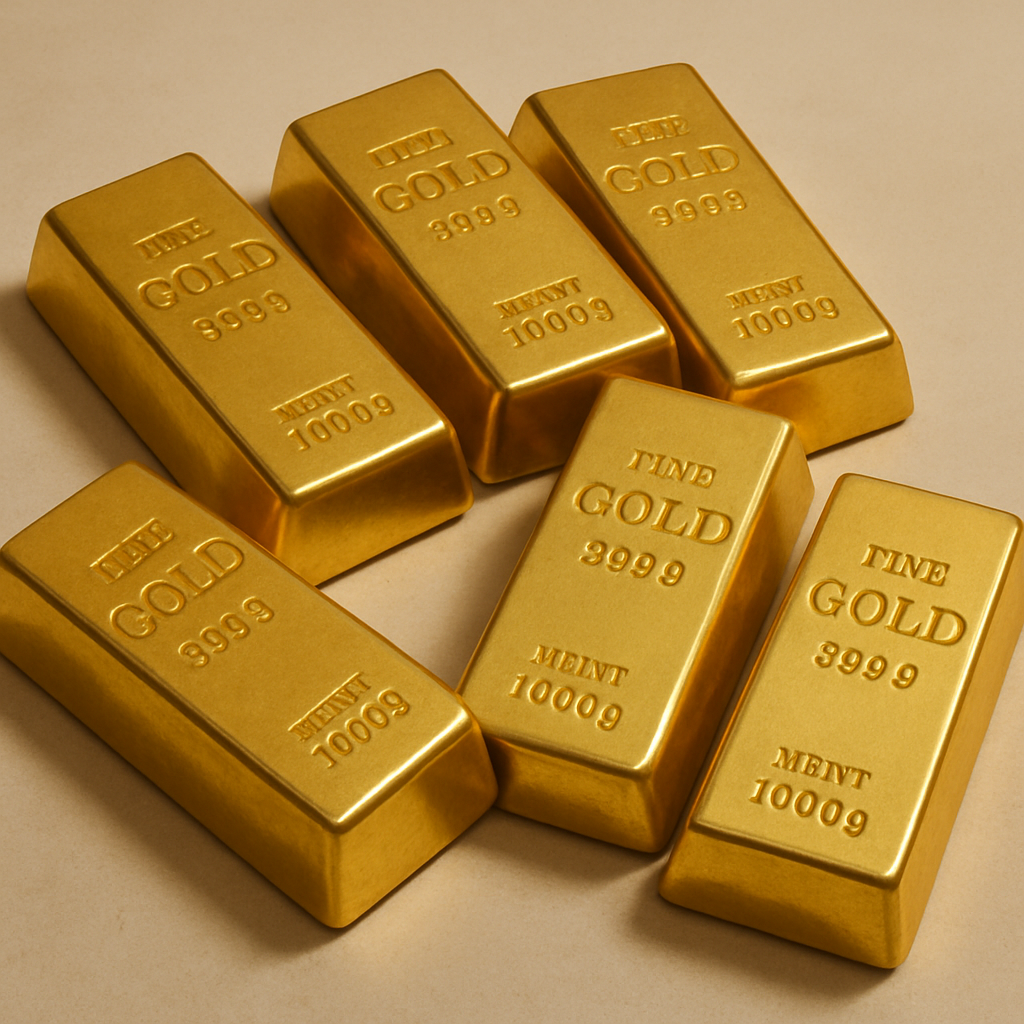
Gold Sellers in Kampala
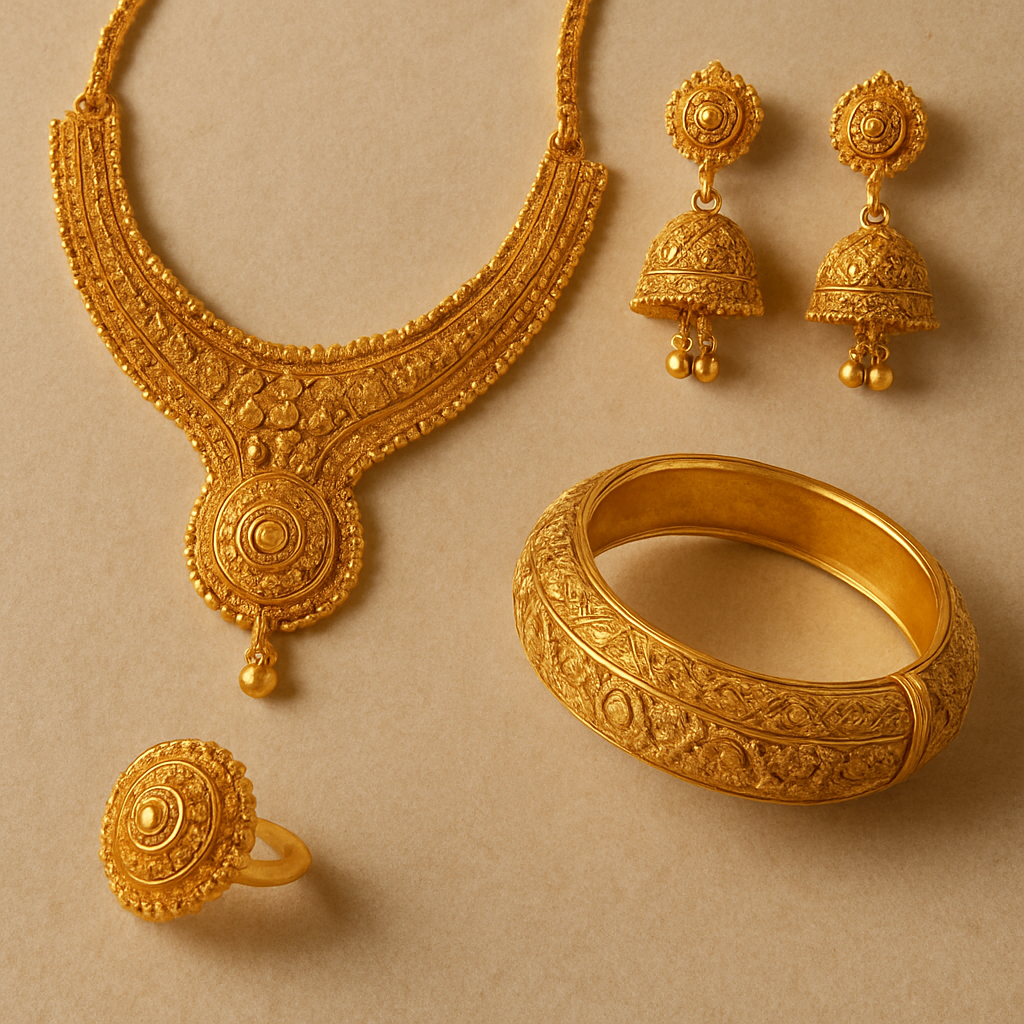
Kampala has quietly become one of the busiest gold trading centers in East and Central Africa. Walk through areas like Nakasero or Kampala Road on any given day and you will hear the same conversation repeated in different accents: someone, often a foreign investor, asking where they can find genuine gold sellers in Kampala. It is a fair question, and also a complicated one.
Uganda sits at the crossroads of one of the richest mineral regions on the continent, right next to the gold rich provinces of the Democratic Republic of Congo. That geography has turned the city into a magnet for miners, brokers, exporters, jewelers and, unfortunately, fraudsters. This guide breaks down everything you need to know about the gold market in Kampala: who actually buys and sells gold in Uganda, how pricing works, what a genuine kilogram of gold costs today, and most importantly, how to protect yourself in a market that regulators themselves admit is difficult to police.
Why Kampala Has Become East Africa’s Gold Trading Hub
Uganda is not, historically, one of Africa’s largest gold producing nations on paper. Yet it has become one of the continent’s largest gold exporters by value. The explanation lies just across the border. The Democratic Republic of Congo produces enormous volumes of artisanal gold, much of which moves through informal supply chains rather than official DRC export channels. Kampala, with its airport connections, banking infrastructure and comparatively stable business environment, has become the preferred transit and refining point for a large share of that gold before it heads onward to markets in the United Arab Emirates, India and beyond.
Gold has consistently ranked as Uganda’s top foreign exchange earner in recent years, with the Bank of Uganda recording export values in the billions of dollars annually. That scale of trade has attracted everything from licensed multinational refiners to small scale local jewelers, and it has also attracted opportunists who understand that a foreign buyer holding cash and unfamiliar with local procedures is an easy target.
Understanding this backdrop matters because it explains both the opportunity and the risk. Kampala genuinely does host legitimate mineral trade, licensed exporters, assay laboratories and registered jewelry businesses. It also, unfortunately, hosts one of the most persistent fake gold fraud economies in the region. Anyone searching for gold sellers in Kampala needs to hold both realities in mind at once.
Understanding Uganda’s Gold Industry Today
Uganda’s mining and minerals sector operates under the Mining and Minerals Act, which is administered through the Ministry of Energy and Mineral Development. Within that ministry, the Directorate of Geological Survey and Mines oversees licensing for mineral dealers, exporters, and processing facilities, while the Uganda Revenue Authority manages export documentation, royalties and taxation on mineral exports.
On the formal side of the industry, Uganda hosts refineries such as African Gold Refinery in Entebbe, one of the continent’s larger gold processing facilities, which sources, refines and exports gold under government licensing and international compliance standards. Licensed exporters, registered jewelry manufacturers, and formally recognized mineral trading companies also operate throughout Kampala, working within the framework set by the ministry and the central bank.
At the same time, industry reports and government officials openly acknowledge that a significant share of gold moving through Uganda originates from artisanal and small scale mining, both domestically in areas such as Mubende, Busia, Buhweju and Karamoja, and from cross border sources in the DRC. This informal supply chain is harder to trace, harder to regulate, and is precisely where much of the fraud and illicit trade tends to concentrate.
For anyone approaching the market, the practical takeaway is this: the words “gold seller” or “gold exporter” in Kampala can describe a fully licensed, tax compliant, internationally audited business, or they can describe an unregistered operator working out of a rented apartment. The two look remarkably similar online, and telling them apart requires real diligence, which we cover later in this guide.
Who Buys Gold in Uganda?
A common question from people entering this market is simply, who buys gold in Uganda? The answer spans several categories of buyers, each operating differently.
Licensed refineries and exporters. These are companies authorized by the Ministry of Energy and Mineral Development to purchase raw or semi processed gold, refine it to export grade purity, and ship it internationally. They typically buy in bulk, from kilograms to tens of kilograms, and require full documentation of the gold’s origin.
Registered jewelers and goldsmiths. Throughout Kampala’s commercial districts, licensed jewelry businesses buy gold jewelry, coins and small quantities of scrap gold from individuals, refine or repurpose it, and resell it as finished pieces. This is the most accessible option for ordinary residents who simply want to sell an old necklace or ring.
International investors and trading firms. Foreign buyers, often from the Middle East, South Asia and increasingly China, come to Uganda specifically to source gold for export, sometimes independently and sometimes through local brokers or agents. This segment of the market is unfortunately also the one most targeted by fraud networks, a point we will return to.
Banks and financial institutions. While Uganda does not have a large retail gold investment market compared to countries like India, some financial products linked to gold backed savings and commodity trading exist and continue to expand as global interest in gold as a safe haven asset grows.
Artisanal miners and cooperative buying groups. In mining regions outside Kampala, cooperatives and licensed buying stations purchase gold directly from small scale miners before it moves toward Kampala for refining or export.
If your goal is simply to sell gold jewelry, a registered jeweler is almost always the safer and simpler route. If your goal is to buy gold in bulk for export or investment, you are entering a far more complex and higher risk part of the market, one that deserves the caution outlined further down this article.
Where to Find Gold Sellers in Kampala
Kampala’s gold trade is not concentrated in a single official marketplace the way some commodities are. Instead, it operates across a few recognizable channels.
Licensed refineries and processing facilities. Established refiners with government licensing, such as African Gold Refinery in Entebbe, represent the top tier of the formal market. These facilities are built for industrial scale transactions and international export, not casual retail purchases.
Jewelry districts. Kampala Road, Nakasero and parts of the central business district host numerous registered jewelry shops that buy and sell gold jewelry, coins and small bars. These businesses generally deal in retail quantities and are the most straightforward option for everyday buying or selling.
Registered mineral trading and export companies. A number of companies registered with the Uganda Registration Services Bureau and licensed by the Ministry of Energy and Mineral Development operate offices in Kampala, offering assaying, export documentation and bulk trading services. Because company registration alone does not guarantee legitimacy, as discussed below, verifying a company’s actual mineral dealer license, not just its business registration certificate, is essential.
Online listings and social media. A large share of the businesses that appear when searching for gold sellers in Kampala market themselves exclusively through websites, WhatsApp numbers and social media pages. Some of these are legitimate companies simply using digital marketing. Others are fabricated fronts with no physical operation behind them at all. Treat any purely online presence, particularly one that relies on WhatsApp only communication, as a starting point for verification rather than proof of legitimacy.
Because names and websites in this space change frequently, and because Ugandan authorities have repeatedly warned that even companies holding seemingly valid documents have been implicated in fraud, this guide intentionally does not endorse specific company names as trustworthy. Instead, the verification checklist later in this article gives you the tools to assess any seller you encounter, whatever name they operate under.
How Much Is 1kg of Gold in Uganda?
Gold pricing in Uganda tracks the international spot price, converted into Ugandan shillings and then adjusted for local purity standards, dealer premiums and, where relevant, import or handling costs. As of mid 2026, retail gold prices in Uganda have been trading in the range of roughly UGX 490,000 to UGX 570,000 per gram for 24 karat (999 fine) gold, which translates to approximately UGX 500 million to UGX 570 million per kilogram, or roughly USD 135,000 to USD 155,000 per kilogram at prevailing exchange rates. Prices for 22 karat and 18 karat gold run proportionally lower, based on their purity percentages of 91.6 percent and 75 percent respectively.
A few important points about these figures:
- Gold prices change constantly, sometimes several times within a single day, because they are driven by the global spot market and by shifts in the shilling’s exchange rate against the US dollar.
- Retail jewelry prices, bulk bar prices and raw ore or unrefined gold prices are not the same thing. A quoted price for 1kg of refined 999 gold will differ substantially from a price quoted for raw gold ore of unverified purity.
- Genuine bulk sellers price gold close to the prevailing spot rate, plus a modest and clearly explained premium for refining, handling and logistics. Any offer of a full kilogram of gold at a price dramatically below the current market rate, sometimes 30 to 60 percent under spot, should be treated as an immediate warning sign rather than a bargain.
- These figures are for general reference only. Before any transaction, confirm the live international gold price and current exchange rate through a reliable financial source, since even a difference of a few hours can change the value of a kilogram of gold by a meaningful amount.
This is informational content, not financial or investment advice. Anyone considering a significant gold purchase or investment in Uganda should independently verify pricing and consult a qualified financial or legal professional before committing funds.
What Makes the Best Gold Sellers in Uganda?
Given how crowded and risky this market can be, identifying the best gold sellers in Uganda comes down to a specific set of verifiable characteristics rather than marketing claims. Look for the following.
A valid mineral dealer’s license. Every legitimate gold buyer or exporter in Uganda should hold a specific mineral dealer or export license issued by the Ministry of Energy and Mineral Development, separate from a general business registration certificate. You can and should ask to see this license and, where possible, verify it directly with the ministry.
Independent assay and purity verification. Reputable sellers welcome, rather than resist, independent testing of gold purity through an accredited laboratory before any money changes hands. A seller who insists their own in house test is the only one you are allowed to see is a red flag.
Transparent, itemized pricing. Trustworthy dealers quote prices tied to the live spot rate and clearly break down any premiums, refining costs or fees in writing, before the deal, not as surprise additions afterward.
A verifiable physical office. Legitimate mineral trading companies operate from registered business premises, not rented Airbnb apartments or hotel rooms arranged specifically for a single meeting, a pattern investigators have flagged repeatedly in fraud cases.
No demand for advance fees after a price is agreed. This is arguably the single most important test. Once a purchase price has been agreed and documented in a contract, a genuine seller does not introduce new, unexpected charges such as “clearance fees,” “security deposits,” “insurance,” or “tax advances” before releasing the gold. Legitimate costs are disclosed and itemized upfront.
Willingness to use secure, traceable payment methods. Bank transfers, letters of credit and formal escrow arrangements are standard in legitimate mineral trade. Reluctance to use anything but cash or informal transfer services is a warning sign.
A track record you can independently confirm. Genuine references, registration records, and export history can be checked against public and government records. Client testimonials on a company’s own website cannot.
No single one of these factors guarantees legitimacy on its own, but a seller who fails several of them simultaneously is not someone you should be handing money to, regardless of how professional their website or WhatsApp messages appear.
The Hidden Risk: Gold Scams Targeting Buyers in Kampala
This is the section of the guide that anyone researching gold sellers in Kampala genuinely needs to read carefully, because the scale of fraud in this specific market is not a minor footnote. It is one of the defining features of Uganda’s gold trade.
Research organizations tracking transnational crime in East Africa have documented a long running pattern of fake gold schemes centered on Kampala and Nairobi, in which fraud networks promise foreign investors real gold at attractive prices and then deliver counterfeit material such as gilded brass, or simply disappear once a deposit has been paid. Ugandan police have run repeated, large scale crackdowns on this activity. In one recent enforcement period, authorities registered dozens of criminal cases and made numerous arrests connected to fraudulent gold operations discovered running out of rented apartments and makeshift offices around neighborhoods such as Muyenga, Buziga and Lugogo, seizing fake mineral samples, counterfeit safes and testing equipment staged purely to convince victims a deal was genuine.
The pattern investigators describe tends to follow a familiar structure. A foreign buyer is contacted, often through a personal connection, a broker abroad, or an online listing, and told about an unusually attractive gold opportunity sourced from the DRC. They are flown or driven to Kampala and introduced to individuals presenting themselves as licensed dealers, sometimes with fabricated documents or claims of political connections designed to build false confidence. A deposit, often framed as a show of commitment, is requested before any gold changes hands. Once paid, additional fees for clearance, security, transport or taxes are introduced one after another. In the worst documented cases, the “gold” shown to buyers turns out to be brass or other non precious material, and in a smaller number of extreme cases, disputes have escalated into violence.
Beyond the financial risk, there is a legal dimension worth understanding. Uganda’s Mining and Minerals Act criminalizes dealing in minerals without a license, and industry commentators in Uganda have argued that buyers who knowingly attempt to purchase gold outside licensed channels, often specifically to avoid taxes or documentation, are not simply passive victims but participants in an illegal transaction themselves. Whatever view one takes of that debate, it underscores a practical point: working outside Uganda’s official licensing and export framework carries legal exposure, not just financial risk.
None of this means Uganda’s gold sector is uniquely corrupt or that legitimate trade does not exist. It does mean that anyone approaching this market, especially as a first time foreign buyer, should treat extreme caution as the default setting rather than the exception.
Common warning signs to watch for include:
- Deals arranged and confirmed almost entirely over WhatsApp or personal email, with no verifiable company registration.
- Prices offered significantly below the live international spot rate for the stated purity and quantity.
- Requests for cash deposits or “good faith” payments before any documentation or independent testing occurs.
- New fees introduced after an initial price has already been agreed.
- Meetings arranged in private apartments, hotel rooms or unmarked offices rather than registered business premises.
- Sellers who emphasize personal connections to government officials or security officers as their main credibility claim, rather than licenses and paperwork.
- Pressure to move quickly, framed as a limited time opportunity or a competing buyer waiting in the wings.
If you notice two or more of these signs in a single interaction, the safest course of action is to walk away, regardless of how much time or money you have already invested in the relationship.
How to Buy or Sell Gold Safely in Kampala: A Step by Step Guide
Step 1: Verify the license before anything else. Ask the seller for their mineral dealer or export license number and confirm it directly with the Ministry of Energy and Mineral Development or the Directorate of Geological Survey and Mines rather than accepting a photograph of a document at face value.
Step 2: Insist on independent assay testing. Before agreeing to any purchase, arrange for the gold to be tested at an accredited, independent laboratory of your choosing, not one selected or controlled by the seller.
Step 3: Get everything in writing. A legitimate transaction should be documented in a formal contract specifying quantity, purity, agreed price, payment terms and delivery conditions, ideally reviewed by an independent lawyer who has no prior relationship with the seller.
Step 4: Use traceable payment methods. Favor bank transfers, letters of credit or formal escrow services over cash. Traceable payments are harder to simply vanish with and give you recourse if something goes wrong.
Step 5: Never pay unexpected fees after the price is set. If new charges appear after you have already agreed on a price, treat this as a decisive red flag and stop the transaction.
Step 6: Verify the physical business address. Visit the seller’s registered office in person, or have a trusted local representative do so, and confirm it matches official registration records rather than being a temporary rental.
Step 7: Involve your embassy or a trusted local advisor. Foreign buyers in particular benefit from looping in their embassy’s commercial section, a licensed local lawyer with no connection to the seller, or a reputable local business advisor before committing significant funds.
Step 8: Keep transaction sizes proportional to your ability to verify the counterparty. Starting with a smaller, verifiable transaction before scaling up to larger quantities is a reasonable way to build trust incrementally, rather than committing a large sum on a first meeting.
Legal and Regulatory Framework for Gold Trade in Uganda
Uganda’s mineral sector operates under the Mining and Minerals Act, which sets out licensing requirements for exploration, mining, processing, dealing in minerals and exportation. The Ministry of Energy and Mineral Development, through the Directorate of Geological Survey and Mines, issues and can revoke these licenses, and officials have publicly stated that companies implicated in fraudulent activity risk losing their licensing entirely.
The Uganda Revenue Authority manages the taxation and export documentation side of the trade, including royalties on mineral exports, and export figures it has published show gold consistently ranking as one of Uganda’s largest single sources of export revenue in recent years. The Bank of Uganda separately tracks the value of mineral exports as part of the country’s balance of payments data.
Beyond domestic law, international buyers should also be aware of due diligence expectations tied to conflict mineral sourcing, given the volume of gold that moves into Uganda from the Democratic Republic of Congo. Responsible sourcing frameworks used internationally expect buyers and exporters to be able to trace gold back to its origin and confirm it is not financing armed conflict, a standard that becomes difficult or impossible to meet when dealing with unlicensed, undocumented sellers.
Given the complexity of this regulatory landscape, and given that enforcement priorities and specific rules can change, anyone planning a significant gold transaction in Uganda should treat this article as background context rather than legal advice, and should consult a qualified Ugandan lawyer or licensed compliance professional for guidance specific to their situation.
Frequently Asked Questions
Who buys gold in Uganda?
Buyers range from licensed refineries and registered export companies to jewelry shops, individual international investors, and licensed buying stations near mining areas. The right buyer for you depends heavily on whether you are selling jewelry in small quantities or attempting a bulk purchase for export.
How much is 1kg of gold in Uganda?
As of mid 2026, refined 24 karat gold has generally traded in the range of about USD 135,000 to USD 155,000 per kilogram, equivalent to roughly UGX 500 million to UGX 570 million, though this fluctuates daily with international spot prices and the shilling’s exchange rate. Always confirm the live rate before any transaction.
What are the best gold sellers in Uganda?
Rather than a fixed list of names, the best gold sellers in Uganda are identified by verifiable traits: a valid mineral dealer license, willingness to allow independent assay testing, transparent written pricing, a real physical office, and no demands for advance fees after a price is agreed.
Is it legal for foreigners to buy gold in Kampala?
Foreigners can legally purchase gold in Uganda through properly licensed dealers who follow export documentation and taxation requirements. Buying outside licensed channels, particularly to avoid taxes or paperwork, carries both fraud risk and potential legal exposure under Uganda’s Mining and Minerals Act.
Why are there so many gold scams in Kampala?
Uganda’s role as a transit hub for gold originating from the mineral rich Democratic Republic of Congo, combined with high international gold prices and gaps in regulatory enforcement, has created conditions that fraud networks have exploited for years, specifically targeting foreign buyers unfamiliar with local procedures.
Can I sell my gold jewellery in Kampala safely?
Yes. Selling gold jewelry through a registered, licensed jeweler in Kampala’s established commercial districts is generally straightforward and lower risk than bulk export transactions, provided you confirm current market pricing beforehand and use a reputable, verifiable business.
Where is gold traded within Kampala?
Gold trading activity spans licensed refineries and processing facilities, jewelry districts around Kampala Road and Nakasero, registered mineral trading company offices, and increasingly, online and social media listings that require careful independent verification before any transaction.
Final Thoughts
Kampala’s gold market offers a genuine opportunity. Uganda’s position next to one of Africa’s richest gold producing regions, combined with a formal licensing and export system, means legitimate trade absolutely exists alongside licensed refiners, registered jewelers and compliant export companies. At the same time, this is one of the most heavily targeted markets for fraud in East Africa, and Ugandan authorities themselves have been unusually candid about the scale of the problem.
The safest path forward, whether you are looking to sell an old piece of jewelry or explore a serious bulk gold purchase, is the same one professionals in this industry recommend: verify licenses independently, insist on independent testing, put everything in writing, use traceable payment methods, and treat any pressure to pay unexpected fees or move quickly as a reason to stop, not proceed. Approached with that level of caution, working with genuine gold sellers in Kampala can be a legitimate and worthwhile transaction. Approached without it, this remains one of the markets where foreign buyers, and increasingly even sophisticated ones, continue to lose significant sums of money.