Gold Price in Oman
Gold Price in Oman: A Complete Guide to Today’s Rates, Trends, and Smart Buying Decisions
Gold has always held a special place in the hearts of people living in Oman. From the bustling alleys of Muttrah Souk in Muscat to modern jewelry showrooms in Salalah, Sohar, and Nizwa, gold is more than a metal here. It is a tradition, a form of savings, a wedding gift, and for many families, a form of financial security that has been passed down for generations. Whether you are an Omani citizen, an expat working in the Sultanate, or a tourist exploring the souqs, understanding the gold price in Oman is essential before you make a purchase.
In this guide, we will walk through everything you need to know about gold prices in Oman today, how those prices are calculated, the difference between 24 karat, 22 karat, 21 karat, and 18 karat gold, the impact of VAT and taxation, historical price trends, and practical tips for buying gold safely in the Sultanate. We will also touch on the realities of buying raw gold from international sellers, since this is an area where caution matters just as much as opportunity.
Today’s Gold Price in Oman: A Quick Snapshot
Gold prices in Oman are quoted in Omani Rial (OMR), and they move in close step with the global spot price of gold, which is itself set on international markets such as the London Bullion Market Association (LBMA). As of mid 2026, gold prices in Oman have been trading at historically elevated levels, largely driven by global economic uncertainty, a weaker US dollar at times, and continued gold buying by central banks around the world.
On a typical day in 2026, the gold rate in Oman per gram has looked roughly like this:
- 24 karat gold (999 purity): approximately 53 to 60 Omani Rial per gram
- 22 karat gold (916 purity): approximately 49 to 56 Omani Rial per gram
- 21 karat gold (875 purity): approximately 44 to 54 Omani Rial per gram
- 18 karat gold (750 purity): approximately 38 to 46 Omani Rial per gram
These numbers fluctuate throughout the day and from one jeweler to another, so it is always worth checking a live gold rate tracker or contacting your local jewelry souq before making a purchase. Over the past year, gold in Oman has risen by more than 20 percent, and over the past five years it has more than doubled in value, reflecting the broader global gold bull market.
It is worth noting that the price per ounce of 24 karat gold in Oman has at times crossed 1,500 to over 2,000 Omani Rial, depending on global spot price movements. One troy ounce equals 31.1035 grams, so jewelers and investors often convert between grams, ounces, and the traditional tola measurement (11.66 grams) that is still used across the Gulf region and South Asia.
How Gold Prices Are Determined in Oman
Many people assume that gold prices are fixed by the government or by a single authority, but in reality the price of gold in Oman is influenced by a combination of global and local factors working together.
Global Spot Price of Gold
The single biggest driver of the gold rate in Oman is the international spot price of gold, which is set on global commodity exchanges and quoted in US dollars per ounce. Since the Omani Rial has historically been pegged to the US dollar at a fixed exchange rate, movements in the global gold price translate almost directly into changes in the local OMR gold price. When international gold prices rise due to inflation fears, geopolitical tension, or a weaker dollar, gold prices in Muscat, Sohar, and every other Omani city rise in tandem, usually within hours.
Local Demand and Supply
Local jewelry demand also plays a role, especially during wedding seasons, religious holidays such as Eid, and the peak tourism months between October and April, when large numbers of visitors flock to Muttrah Souk looking for gold jewelry and souvenirs. Increased footfall and buying activity can create small premiums above the base international rate, particularly for intricately designed jewelry pieces.
Making Charges and Jeweler Margins
The final price you pay for a piece of gold jewelry in Oman is not just the raw metal value. Jewelers add a making charge, which covers the labor, design, and craftsmanship that goes into a piece. This charge can be a fixed fee per gram or a percentage of the gold value, and it varies from one shop to another, so comparing making charges across a few stores in Muttrah Souk or a shopping mall can save you a meaningful amount of money.
Currency and Import Costs
Since Oman does not mine significant quantities of gold domestically for its jewelry market, most gold is imported. Exchange rate stability, shipping costs, and import regulations can all have a small effect on local pricing, although the Omani Rial’s stability against the US dollar tends to keep this impact relatively minor compared to other markets in the region.
Understanding Gold Karats and Purity in Oman
One of the most confusing aspects for first time gold buyers in Oman is understanding karat purity and what the numbers stamped on jewelry actually mean. Gold purity is expressed both in karats and in a numerical hallmark that reflects the percentage of pure gold content.
- 24 karat gold, hallmarked 999, is 99.9 percent pure gold. It is soft, bright yellow, and mainly used for gold bars, coins, and investment purposes rather than everyday jewelry, since pure gold bends and scratches easily.
- 23 karat gold, hallmarked 958, is used in select traditional jewelry pieces and coins.
- 22 karat gold, hallmarked 916, is the most popular choice for jewelry across Oman and the wider Gulf region. It strikes a balance between purity and durability, making it ideal for necklaces, bangles, and rings.
- 21 karat gold, hallmarked 875, is also extremely popular in Oman and the Middle East generally, prized for its rich color and relative affordability compared to 22 karat pieces.
- 18 karat gold, hallmarked 750, is commonly used in more contemporary, diamond studded, or gem set jewelry, since its added alloy content makes it stronger and better suited for intricate settings.
- 14 karat gold, hallmarked 585, and 9 karat gold, hallmarked 375, are less common in Oman but occasionally available in imported Western jewelry designs.
When shopping for gold in Oman, always check for the hallmark stamp on the piece, which should be visible somewhere on the jewelry, usually on the clasp or an inconspicuous edge. Reputable jewelers in Muscat and across the country are required to sell hallmarked gold, and asking to see a certificate of authenticity for higher value purchases is a normal practice.
Historical Gold Price Trends in Oman
Looking back over the past couple of years provides useful context for understanding where gold prices in Oman stand today and where they might be heading.
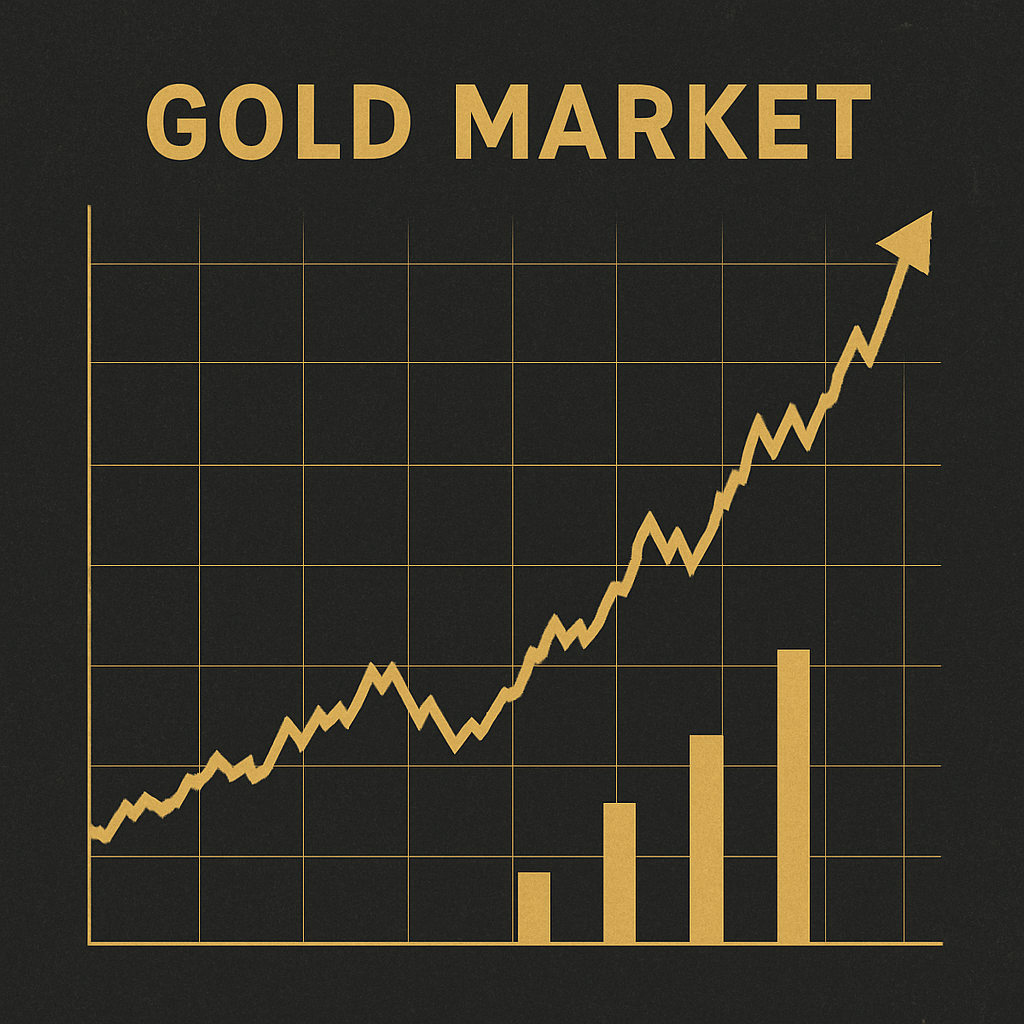
Gold has been on a strong upward trajectory globally since 2023, and this trend accelerated through 2025 and into 2026. In the twelve months leading up to mid 2026, the price of gold in Oman rose by more than 22 percent, a substantial gain that reflects a broader global shift toward gold as a safe haven asset. Prices per ounce in Oman climbed from roughly 1,258 Omani Rial in mid 2025 to well above 1,500 Omani Rial by mid 2026, with a notable peak recorded in late January 2026 when the price per ounce touched over 2,000 Omani Rial amid a period of heightened global market volatility.
Several forces have combined to push prices higher over this period:
- Persistent global inflation concerns that have made investors seek assets that hold value over time
- Continued gold purchasing by central banks in various countries looking to diversify away from dollar denominated reserves
- Geopolitical tension in multiple regions, which historically drives safe haven demand
- Uncertainty in equity markets that has periodically pushed institutional and retail investors toward precious metals
For everyday buyers in Oman, this means gold purchased a year or two ago has likely appreciated significantly in value, while those buying today are entering the market at historically high price levels. This does not necessarily mean prices cannot rise further, but it is a useful reminder that gold, like any asset, moves in cycles.
Factors That Influence Gold Prices in Oman Going Forward
Understanding what could move gold prices in the months ahead can help you decide when to buy or sell. Here are the key factors worth watching.
US Dollar Strength
Because gold is priced globally in US dollars, and the Omani Rial maintains a fixed peg to the dollar, any significant strengthening or weakening of the dollar against other major currencies has a direct impact on gold prices in Oman. A weaker dollar generally makes gold more attractive and pushes prices higher, while a stronger dollar can put downward pressure on prices.
Interest Rates and Central Bank Policy
Gold does not pay interest or dividends, so when interest rates rise, other assets like bonds become relatively more attractive, which can soften gold demand. When interest rates fall or are expected to fall, gold often becomes more appealing as an alternative store of value.
Geopolitical Events
Regional conflicts, trade tensions, and political instability anywhere in the world tend to boost demand for gold as a safe haven, often pushing prices up in a short period of time. Oman’s own reputation for political stability and neutral diplomacy has also made it an appealing regional hub for gold trading and tourism related gold purchases.
Inflation Expectations
When people expect the cost of living to rise, they often turn to gold as a way to preserve purchasing power, since gold has historically held its value better than paper currency over long periods.
Seasonal and Cultural Demand
Wedding season, Eid celebrations, and the winter tourist season in Oman all tend to create localized spikes in gold buying activity, particularly in traditional 21 karat and 22 karat jewelry designs favored across the Gulf.
VAT and Taxes on Gold in Oman
One reason Oman remains an attractive market for gold buyers, especially compared to some neighboring countries, is its tax treatment of precious metals. Oman introduced Value Added Tax in April 2021 at a standard rate of 5 percent, one of the lowest VAT rates in the world. However, the Oman Tax Authority has specifically classified the supply of investment gold, silver, and platinum as zero rated under the VAT law, meaning no VAT is charged on qualifying investment grade precious metal transactions. Unrefined precious metals are also exempt from VAT to support their use across various industries including jewelry making.
This is a meaningful advantage compared to markets like Saudi Arabia, where VAT is charged at a much higher rate on gold purchases. That said, jewelry pieces that include significant making charges, gemstones, or design work may still carry VAT on the labor and non gold components of the final price, so it is worth asking your jeweler for a clear breakdown of the metal value versus the making charge and any applicable tax before completing a purchase.
Where to Buy Gold in Oman
Oman offers several excellent options for buying gold, whether you are looking for traditional jewelry, gold coins, or gold bars for investment purposes.
Muttrah Souk, Muscat
This historic marketplace near Muscat’s waterfront is one of the most famous gold shopping destinations in the entire Gulf region. Rows of gold shops line the souk’s narrow alleys, offering everything from delicate traditional Omani designs to modern international styles. Prices here are often competitive because of the sheer density of jewelers competing for business, which makes it a good place to compare rates and negotiate making charges.
Modern Shopping Malls
Cities like Muscat, Sohar, and Salalah also have modern malls with branded jewelry stores that offer fixed pricing, digital weighing scales, and certificates of authenticity, which can be reassuring for buyers who prefer a more formal retail experience over souk style negotiation.
Licensed Gold Dealers and Refineries
For larger investment purchases such as gold bars or bullion coins, it is best to work with licensed dealers who can provide assay certificates confirming purity and weight. Always verify that any dealer or refinery you work with holds proper registration with the relevant Omani commercial and trade authorities.
Gold Jewelry Culture and Designs in Oman
Gold jewelry in Oman is not just an accessory. It carries deep cultural meaning tied to weddings, family celebrations, and generational wealth transfer. Traditional Omani gold designs often feature intricate filigree work, geometric patterns inspired by Islamic art, and heavier pieces meant to be worn on special occasions such as Eid gatherings and wedding ceremonies.
Bridal gold sets remain one of the biggest categories of gold spending in Oman, with many families purchasing elaborate necklace, earring, and bangle sets ahead of a wedding. These sets are typically crafted in 21 karat or 22 karat gold, since these purities strike a balance between the rich, warm color favored in traditional Gulf jewelry and the durability needed for pieces that are worn frequently.
Alongside traditional styles, Muscat’s jewelry market has also embraced more contemporary international trends, including minimalist 18 karat gold pieces set with diamonds and colored gemstones, catering to younger buyers and expatriate residents who prefer lighter, more versatile jewelry for everyday wear. Tourist demand has further diversified the market, with many visitors to Muttrah Souk purchasing gold coins, small pendants, and souvenir style jewelry featuring Omani motifs such as the khanjar dagger or traditional dhow boats.
This blend of tradition and modern style is part of what makes Oman’s gold market so dynamic, and it also means that gold prices in Oman are shaped not only by the raw metal value but also by the craftsmanship, design complexity, and cultural significance attached to each piece.
Tips for Buying Gold Safely in Oman
Whether you are a first time buyer or an experienced investor, keeping these practical tips in mind can help you get fair value and avoid costly mistakes.
- Always check the hallmark stamp on any piece of jewelry before purchasing, and ask the jeweler to explain the purity level clearly.
- Compare the daily gold rate across two or three shops before buying, since making charges can vary noticeably even when the underlying metal price is the same.
- Request a detailed invoice that separates the gold weight, purity, gold value, making charge, and any applicable VAT.
- If buying gold coins or bars for investment, ask for an assay certificate and verify the dealer’s registration and reputation.
- Weigh your existing gold jewelry on a certified scale if you plan to trade it in, so you have an independent sense of its value before negotiating.
- Keep your purchase receipts safely, since they can be useful for insurance purposes, resale, or customs declarations if you plan to travel with gold jewelry.
A Note on Buying Raw Gold or Gold From International Sellers
In recent years, a growing number of online sellers, particularly those claiming to offer raw gold, gold dust, or gold ore sourced from mining regions in Africa, have targeted international buyers, including people in the Gulf region. While legitimate, licensed gold exporters do exist in gold producing countries, this space unfortunately also attracts a significant number of fraudulent operators who use professional looking websites and fake testimonials to appear trustworthy.
Before doing business with any raw gold seller, whether based in East Africa, West Africa, or elsewhere, take the following precautions:
- Verify that the seller holds a valid mining or export license from the relevant national mining authority in their country of operation.
- Ask for an independent assay report from a recognized laboratory confirming the purity and weight of the gold before making any payment.
- Never send advance payments, deposits, or so called clearance fees through informal channels such as personal bank accounts, mobile money, or cryptocurrency wallets requested outside a formal, verifiable business relationship.
- Use secure, traceable payment methods such as escrow services or verified letters of credit for any significant transaction.
- Be highly skeptical of deals that seem too good to be true, unusually low prices, urgent pressure to pay quickly, or requests to keep the transaction confidential.
- Where possible, work through established, licensed bullion dealers and refineries with a verifiable physical presence, business registration, and independent customer reviews rather than unfamiliar websites found through search engines or social media.
Gold is a valuable and highly sought after asset, which unfortunately also makes it a common target for scams. Taking a cautious, verification first approach protects your money and ensures you actually receive what you are paying for.
Gold as an Investment in Oman
Beyond jewelry, many residents of Oman view gold as a long term store of value and a hedge against inflation and currency fluctuations. The zero rated VAT treatment of investment gold makes Oman a relatively cost effective place to build a gold holding compared to some neighboring markets.
Common ways to invest in gold in Oman include:
- Physical gold bars and coins purchased from licensed dealers and refineries
- Gold jewelry, which combines personal use with an underlying store of value, though making charges reduce its pure investment efficiency
- Gold linked savings and investment products offered by some banks and financial institutions in the region
- Exchange traded funds and other paper gold instruments accessible through brokerage accounts, for investors who prefer not to hold physical metal
As with any investment, gold prices can fall as well as rise, and past performance is not a guarantee of future returns. It is generally wise to treat gold as one part of a diversified portfolio rather than putting all your savings into a single asset class. If you are considering a significant gold investment, speaking with a licensed financial advisor familiar with the Omani market can help you make a decision suited to your personal financial goals.
Many financial planners in the region suggest that precious metals make up a modest slice of an overall portfolio, often cited as somewhere between five and ten percent, though the right allocation ultimately depends on your income, savings goals, and comfort with market fluctuations. Gold tends to perform differently from stocks and bonds, which is exactly why many investors hold it. During periods when equity markets fall due to economic worry, gold has historically held its value or even risen, offering a cushion against broader portfolio losses. This is sometimes referred to as a diversification benefit rather than a guaranteed profit strategy, and it is worth understanding that distinction before allocating a large portion of your savings toward gold.
For residents of Oman weighing physical gold against paper gold products such as exchange traded funds, it helps to consider practical factors like storage, insurance, and liquidity. Physical gold offers the reassurance of a tangible asset you can hold, but it also requires safe storage, whether through a home safe, a bank safety deposit box, or a secure vault service. Paper gold products remove the storage concern entirely and can be bought or sold quickly through a brokerage account, though they come with their own fees and counterparty considerations. Many seasoned investors in Oman choose a mix of both, holding some physical jewelry and coins for personal and cultural value, while using paper gold products for the purely financial portion of their portfolio.
Frequently Asked Questions About Gold Prices in Oman
What is the current gold price per gram in Oman? Gold prices change throughout the day based on global spot rates. As of mid 2026, 24 karat gold has generally traded between 53 and 60 Omani Rial per gram, while 22 karat gold has traded between 49 and 56 Omani Rial per gram. Always check a live gold rate source or your local jeweler for the exact price at the time of purchase.
Is gold cheaper in Oman compared to other Gulf countries? Oman is generally competitive with the UAE, Qatar, and Kuwait, and tends to be noticeably cheaper than Saudi Arabia due to differences in VAT treatment on gold purchases. Making charges and local demand can still cause small variations between countries.
Does Oman charge VAT on gold? Investment grade gold, silver, and platinum are zero rated under Oman’s VAT law, meaning no VAT applies to qualifying transactions. However, making charges and non metal components of jewelry may still be subject to standard VAT depending on how the sale is structured.
What is the best karat of gold to buy for jewelry in Oman? 22 karat and 21 karat gold are the most popular choices for traditional jewelry in Oman, offering a good balance of purity, durability, and rich color. 18 karat gold is often preferred for pieces with gemstone settings due to its added strength.
Where is the best place to buy gold in Muscat? Muttrah Souk remains the most famous and competitively priced destination for gold shopping in Muscat, while modern malls offer a more formal retail experience with fixed pricing and digital certification.
How can I check if gold jewelry is genuine in Oman? Look for the hallmark stamp indicating purity, ask for a certificate of authenticity, and consider having valuable pieces independently weighed and tested if you have any doubts about a seller’s credibility.
Is now a good time to buy gold in Oman? Gold prices are at historically elevated levels as of 2026 due to strong global demand and economic uncertainty. Whether now is a good time to buy depends on your personal financial goals, time horizon, and risk tolerance, and it is worth consulting a financial professional before making a large purchase.
Can tourists buy and export gold from Oman? Yes, tourists regularly purchase gold jewelry and coins from Muttrah Souk and other retailers across Oman. It is a good idea to keep your purchase receipt, since it can help with customs declarations depending on the value of the gold and the regulations of your destination country when traveling home.
How often do gold prices in Oman change? Gold prices in Oman are typically updated multiple times throughout the trading day, closely tracking movements in the global spot price. Many jewelers post the daily rate in their shop windows each morning and adjust it if the international market moves significantly during the day.
What is the difference between the gold souq rate and jewelry shop prices? The souq or market rate generally reflects the pure value of the gold itself based on the daily international price. The final price you pay at a jewelry shop includes this base rate plus the making charge for craftsmanship, and sometimes a small margin for the retailer, which is why prices can differ slightly between neighboring shops selling similar designs.
Final Thoughts
The gold price in Oman reflects a fascinating mix of global market forces and deep local tradition. From the historic gold shops of Muttrah Souk to modern investment products offered by banks, Oman continues to be one of the most attractive and accessible gold markets in the Gulf region, helped along by its favorable VAT treatment on investment grade metals and its stable, dollar pegged currency.
Whether you are buying a gift for a wedding, adding to a long term investment portfolio, or simply curious about today’s rates, staying informed about how gold prices are determined, what purity levels mean, and how to buy safely will help you make confident, well informed decisions. As always, prices move daily, so checking a live gold rate source right before you buy remains the smartest way to make sure you are getting fair value for your money.