Gold in United Arab Emirates
Few countries on earth are as closely tied to a single precious metal as the United Arab Emirates is tied to gold. Ask anyone who has walked through Deira at night, past shop windows piled high with bangles, chains, and bridal sets glowing under warm light, and they will tell you the same thing. Gold is not just a commodity in the UAE. It is a way of life, a cultural symbol, a tourist attraction, and a serious financial asset all rolled into one.
From the legendary Dubai Gold Souk to the ultra modern vaults of the Dubai Multi Commodities Centre, the UAE has built an entire economy around the yellow metal. Today the country is recognized as one of the largest gold trading hubs in the world, a magnet for jewelry shoppers, bullion investors, and central banks alike. Whether you are a tourist hunting for a good deal, an expat sending gold home as a gift, or an investor looking to diversify a portfolio, understanding gold in the United Arab Emirates means understanding a market that blends centuries old tradition with cutting edge financial innovation.
This guide walks through everything you need to know about gold in the UAE. We will cover the history behind the country’s nickname, the City of Gold, the difference between 18 karat, 21 karat, 22 karat, and 24 karat gold, how gold prices are set and why they change daily, the VAT rules that apply to jewelry versus investment grade bullion, the many ways residents and visitors can invest in gold, and practical tips for buying gold safely in Dubai, Abu Dhabi, and Sharjah.
Why the UAE Is Known as the City of Gold
Long before skyscrapers reshaped the skyline, gold trade was already shaping Dubai’s economy. The story begins in the early 1900s, when a small cluster of merchants set up informal stalls along Dubai Creek to trade gold, spices, and textiles arriving from India, Iran, and East Africa. Dubai’s natural harbor and its policy of free trade made it an appealing stopover for merchants who wanted to avoid the heavier duties imposed in neighboring ports.
By the 1940s, favorable trade policies had attracted a wave of Indian and Iranian traders who set up permanent shops in what would eventually become the Dubai Gold Souk. The pace of growth accelerated dramatically after the dredging of Dubai Creek in 1963, which allowed larger vessels to dock and move goods more efficiently, and after the discovery of oil in 1966, which brought new wealth and new infrastructure to the emirate. When the United Arab Emirates was formally established in 1971, Dubai was already positioning itself as a regional trading powerhouse, and gold was at the center of that ambition.
The 1990s are often described as the true gold rush era for Dubai. As word spread across South Asia about the opportunities available in the emirate, thousands of traders, goldsmiths, and entrepreneurs relocated to Dubai to open shops in Deira and the nearby Meena Bazaar in Bur Dubai. That decade cemented Dubai’s reputation as an affordable, trustworthy, and endlessly glittering destination for buying gold, a reputation the city still enjoys today. It is this history, more than anything else, that earned Dubai and the wider UAE the nickname City of Gold.
Modern infrastructure has only strengthened that legacy. The creation of the Dubai Multi Commodities Centre, commonly known as DMCC, and the Dubai Gold and Commodities Exchange, or DGCX, transformed the emirate from a purely retail gold market into a fully fledged international trading and refining center. Today the UAE handles a meaningful share of the world’s physical gold flow, acting as a bridge between mining regions in Africa, refining centers in Europe, and the enormous consumer markets of India and the wider subcontinent.
The Dubai Gold Souk: Heart of the Trade
No conversation about gold in the United Arab Emirates is complete without the Dubai Gold Souk. Located in the historic district of Deira, in the locality of Al Ras along the northern bank of Dubai Creek, the souk is home to more than 380 retailers, the overwhelming majority of whom deal exclusively in gold, diamonds, and fine jewelry.
Walking through the covered wooden lanes of the souk feels like stepping into a living museum. Ornate window displays overflow with necklaces, bangles, and elaborate bridal sets, many designed in traditional Arabic, Indian, or Italian styles. The scent of oud and bukhoor drifts between the stalls as shopkeepers wave incense to welcome the day’s first customers. Some of the family run businesses inside the souk have been trading gold for more than four decades, passing the trade down from one generation to the next, while newer shops bring contemporary design sensibilities to the same age old marketplace.
The souk typically opens from around 10 in the morning until 10 at night from Saturday through Thursday, with shorter afternoon hours on Fridays to accommodate Islamic congregational prayer. Visitors often find the souk calmer and easier to browse in the morning, while the evening hours bring a livelier, more crowded atmosphere as both tourists and residents come out to shop.
A defining feature of the Dubai Gold Souk is that the underlying gold rate is fixed daily and publicly displayed, based on the international spot price converted into UAE dirhams. What is negotiable is everything layered on top of that rate, including design complexity, labor charges, and gemstone settings. This is why bargaining remains such a central part of the experience. Even seasoned shoppers expect to haggle over the making charges, even though the raw gold price itself does not move from shop to shop on a given day.
In 2022, as part of the wider Deira Enrichment Project, the Dubai Gold Souk Extension opened nearby, blending the old world charm of the original market with contemporary retail conveniences such as modern eateries, family friendly spaces, and additional showroom space for jewelers. The expansion has helped the souk keep pace with Dubai’s broader transformation while preserving the character that made it famous in the first place.
Every item sold within the souk is required to be hallmarked and certified under the oversight of Dubai Municipality, which means buyers can trust the purity stamped on each piece. This government backed regulation, combined with intense competition among hundreds of vendors, is a large part of why the Dubai Gold Souk continues to draw shoppers from every corner of the globe.
Beyond Dubai: Gold Markets Across the Emirates
While Dubai’s Deira district remains the most famous gold destination in the country, gold trading is very much a nationwide phenomenon in the UAE.
Gold and Diamond Park, located along Sheikh Zayed Road, offers a more contemporary alternative to the traditional souk experience. It houses dozens of manufacturers and retailers under one roof, with an emphasis on watching craftsmen at work and comparing branded jewelry chains side by side.
Sharjah’s Central Souk, sometimes called the Blue Souk because of its distinctive tiled exterior, and the Gold Souk within it, offers a quieter, often more affordable alternative just a short drive from Dubai. Many residents who live in Sharjah or the Northern Emirates prefer to shop locally rather than making the trip into Deira.
Abu Dhabi also has a well established jewelry and gold trading scene, with retailers clustered around areas such as Hamdan Street and inside major shopping malls. As the capital and one of the wealthiest cities in the world, Abu Dhabi attracts both luxury jewelry houses and value focused retailers competing for the same customer base.
Across all these markets, large international jewelry chains such as Malabar Gold and Diamonds, Joyalukkas, Damas, and Pure Gold Jewellers operate extensive networks of showrooms, giving shoppers a consistent, standardized buying experience that complements the more traditional souk atmosphere.
Understanding Gold Purity and Karats in the UAE
One of the first things newcomers notice when shopping for gold in the UAE is how openly karat purity is discussed and displayed. Unlike some markets where 18 karat gold dominates the shelves, the UAE market caters heavily to 21 karat and 22 karat gold, reflecting the preferences of South Asian and Middle Eastern shoppers who favor a richer, more saturated yellow tone.
Here is a quick breakdown of what each karat designation means in terms of purity:
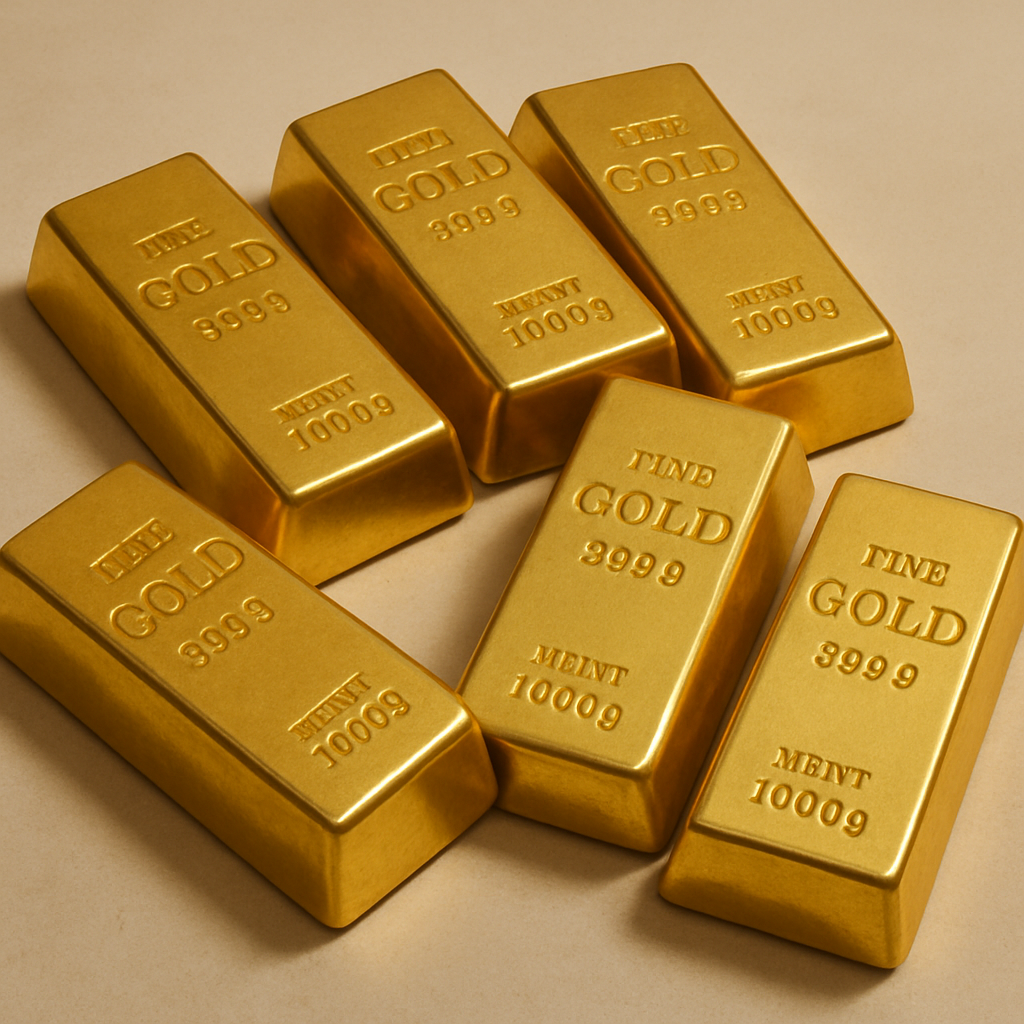
- 24 karat gold is considered pure gold, at 99.9 percent purity. It is soft and mainly used for bars, coins, and investment grade bullion rather than everyday jewelry, since pure gold is too malleable to hold intricate designs well.
- 22 karat gold, at roughly 91.6 percent purity, is one of the most popular choices for traditional jewelry in the UAE, offering a rich color while remaining durable enough for daily wear and intricate craftsmanship.
- 21 karat gold sits at around 87.5 percent purity and is especially popular in Gulf countries, valued for its balance between richness of color and practicality.
- 18 karat gold, at 75 percent purity, is favored for more contemporary and diamond set jewelry, since its added alloy content makes it stronger and better suited to holding gemstones securely.
Every piece of gold jewelry sold through legitimate retailers in the UAE must carry an official hallmark verifying its purity, a system enforced by Dubai Municipality and equivalent authorities in other emirates. This hallmarking requirement, similar in spirit to the 916 stamp used in some other gold markets, gives buyers confidence that what they are paying for matches what is actually in their hands. Reputable shops will also provide a detailed invoice specifying weight, purity, and making charges separately, which is important both for warranty purposes and for any customs declarations later on.
For anyone buying gold in the souk, checking the hallmark, requesting a certificate, and confirming today’s fixed gold rate before discussing making charges are the three most important steps to avoid disappointment.
Gold Prices in the UAE: How They Are Set and What Moves Them
Gold prices in the United Arab Emirates are quoted daily in dirhams per gram, and they closely track the international spot price of gold traded in US dollars, since the dirham is pegged to the dollar. Jewelers across Dubai, Abu Dhabi, and Sharjah typically update their displayed rates once or twice a day based on this global benchmark.
Gold has had an extraordinary run in recent years. After a historic rally in 2025 that saw prices climb more than sixty percent for the year, the strongest annual performance since the late 1970s, gold entered the following year on an already elevated footing, with 24 karat rates in the UAE regularly moving in a band that has, at various points, pushed well above 500 dirhams per gram. Silver and other precious metals such as platinum and palladium have followed a similar pattern of outsized annual gains, reflecting a broader wave of safe haven demand across the precious metals complex.
Several forces typically drive these price swings:
- Global interest rates. When central banks cut interest rates or signal future cuts, gold tends to become more attractive relative to interest bearing assets, since holding gold carries no yield of its own.
- Geopolitical tension. Conflicts, trade disputes, and political uncertainty push investors toward gold as a traditional store of value.
- Central bank buying. Official sector purchases by central banks around the world have exceeded a thousand tonnes annually for several consecutive years, adding sustained structural demand to the market.
- Currency movements. Because the dirham is pegged to the US dollar, any weakness in the dollar tends to translate into higher local gold prices, and vice versa.
- Seasonal and cultural demand. Wedding seasons, festivals, and tourist high seasons all create predictable spikes in local buying activity across the UAE.
For anyone tracking gold rate today in UAE, it is worth remembering that the price quoted publicly is the raw metal price. Making charges, which cover design and craftsmanship, are added separately and can vary significantly from one retailer to another, which is exactly why comparing several shops before committing to a purchase remains good practice.
VAT and Taxation on Gold in the UAE
Since January 2018, the UAE has applied a standard five percent Value Added Tax across most goods and services, and gold is no exception, though the rules differ depending on what kind of gold you are buying.
Gold jewelry and non investment gold. Most of what you will find in a typical jewelry shop, including chains, bangles, earrings, pendants, and bridal sets made from 18, 21, or 22 karat gold, is treated as a finished retail product. This means it attracts the standard five percent VAT on the full invoice value, which covers the gold weight itself, the making charges, and any additional design or gemstone costs.
Investment grade gold. Under Cabinet Decision No. 25 of 2018, gold, silver, and platinum that reach a minimum purity of 99 percent and are traded in globally recognized forms such as bars, ingots, or approved coins can qualify as zero rated investment precious metal. This means no VAT is charged at the point of sale between qualifying, VAT registered businesses, although the gold must strictly meet purity and tradability requirements and jewelry never qualifies for this treatment, regardless of how high its purity might be.
Reverse charge mechanism. To prevent tax from cascading through the wholesale gold and diamond trade, the UAE introduced a reverse charge mechanism for qualifying business to business transactions. Under this system, the buying business accounts for VAT directly rather than paying it upfront to the seller, which helps keep working capital free flowing across the supply chain. In 2024, the government extended a similar reverse charge treatment to a broader range of precious metals and gemstone transactions.
Tourist VAT refunds. Visitors who are not UAE residents can generally reclaim the VAT paid on jewelry purchases through the official tourist refund scheme when departing the country, provided the purchase was made from a retailer registered in the scheme and the required paperwork is completed. UAE residents, by contrast, pay the same five percent VAT but are not eligible for any refund, since the scheme is designed exclusively for visitors leaving the country.
Import duties. Raw investment grade gold, bars, and nuggets are generally exempt from import duty and can qualify for zero rated VAT treatment, while finished jewelry imported into the country typically faces both import duty and VAT calculated on its cost, insurance, and freight value.
For practical purposes, most everyday shoppers buying a necklace or a bridal set should expect to pay the standard five percent VAT, while serious investors focused purely on accumulating bullion have a genuine tax advantage if they stick to properly certified investment grade bars and coins.
How to Invest in Gold in the United Arab Emirates
Beyond jewelry, the UAE has become one of the world’s most convenient places to build a genuine gold investment position, thanks to its deep trading infrastructure, favorable tax treatment, and complete absence of capital gains tax on individual investment profits. Here are the main routes available to residents and, in many cases, to non resident investors as well.
Physical Gold Bars and Coins
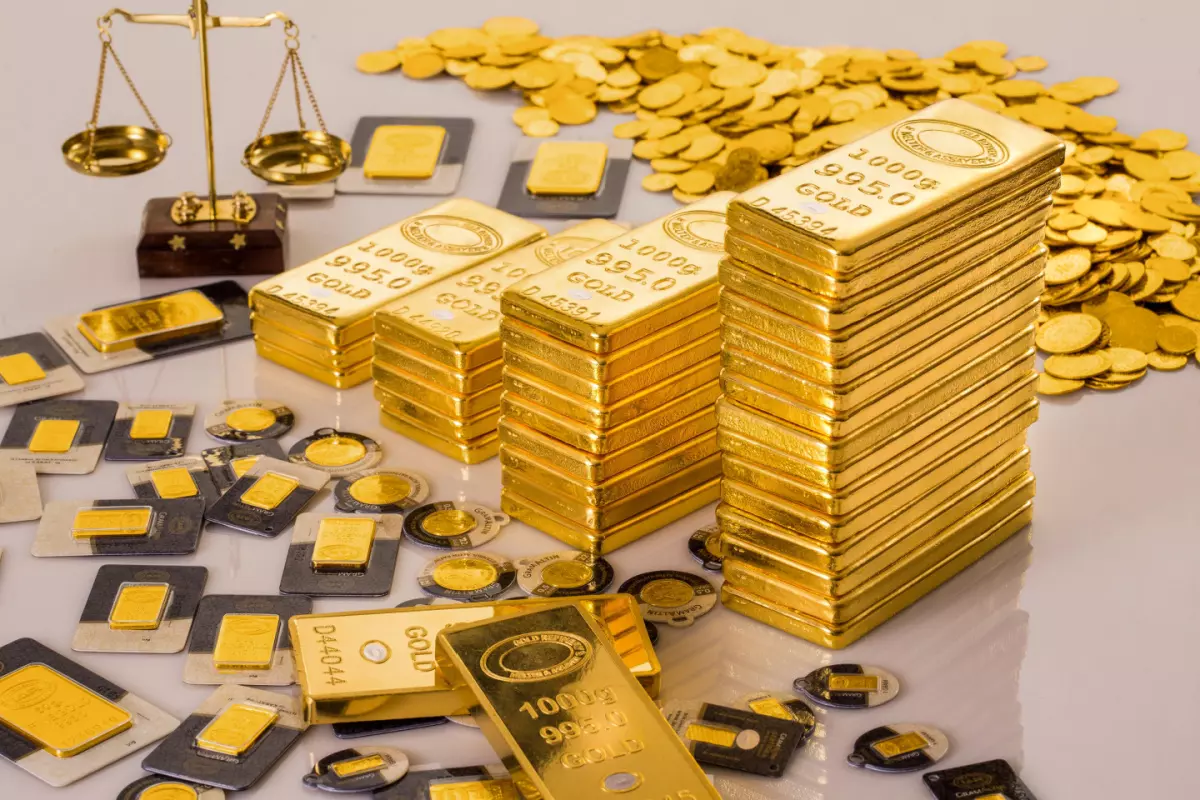
The most traditional approach is simply buying certified bars or coins from an authorized dealer. The Dubai Multi Commodities Centre regulates the standards that legitimate bullion dealers must meet, and gold meeting the UAE Good Delivery certification offers a recognized guarantee of purity for anyone buying investment grade metal. Popular sources include established names such as Emirates Gold, along with numerous DMCC listed dealers operating showrooms across Dubai. Buyers should always request a proper invoice and certificate, since these documents matter both for resale value and for customs purposes if the gold ever needs to travel internationally.
Gold Savings Accounts and Certificates
Several major UAE banks offer gold savings products that let customers invest a set amount every month without worrying about physical storage. These accounts track the value of gold and can typically be built up over time and later redeemed for cash or, in some cases, physical delivery. This option appeals to investors who like the discipline of a recurring savings plan without the hassle of storing bars or coins at home.
Digital Gold and Fractional Ownership
A newer and increasingly popular option is digital gold, where investors buy fractional ownership of physical gold held in secure, professionally managed vaults, often starting from as little as one gram. Platforms regulated within the DMCC free zone allow customers to buy, hold, and sell gold through a mobile app, with the underlying metal insured and stored by established custodians. Given the rapid growth of these fractional and online investment schemes, industry bodies including the World Gold Council have been working alongside UAE regulators and market participants on a formal code of conduct, aimed at bringing the same transparency and consumer protection standards that exist in more established markets such as India and Singapore.
Gold ATMs
The UAE has also pioneered physical gold dispensing machines, sometimes called gold ATMs, which allow customers to purchase small minted bars on demand using cash or card. Recent partnerships unveiled at Dubai’s precious metals industry gatherings have set ambitious targets to expand this network to several dozen units across the country, positioning the UAE among the largest markets for this kind of technology anywhere in the world.
Gold Trading Through Exchanges and Brokers
More active investors and traders can access gold through the Dubai Gold and Commodities Exchange, through licensed brokers offering gold contracts for difference, or through global exchange traded funds accessible via local and international brokerage platforms. These routes suit investors who want price exposure to gold without taking physical delivery, though leveraged products such as CFDs and futures carry additional risk and are best approached with a clear understanding of how spreads, commissions, and overnight financing costs work.
Loan Against Gold
Several UAE financial institutions also allow customers to deposit physical gold, whether in bullion or jewelry form, as security for a loan, unlocking liquidity without having to sell the underlying asset. These deposits are typically stored in secure, professionally managed vaults under formal warehousing and receipt systems overseen by DMCC, giving depositors confidence that their gold is being handled to institutional standards.
Across every one of these routes, one advantage stands out consistently. Individual investors in the UAE are not subject to capital gains tax on profits from gold, and there is no inheritance tax either, which makes the country an attractive base for long term wealth preservation strategies built around precious metals.
The UAE as a Global Gold Trading Hub
It would be easy to think of the UAE’s gold story as purely a retail phenomenon centered on tourist shopping, but the reality is far bigger. The country has quietly become one of the most important nodes in the entire global gold supply chain.
The Dubai Multi Commodities Centre, established as a government backed free zone authority, oversees import, export, refining, storage, and trading standards for precious metals within its jurisdiction, and its Jumeirah Lakes Towers district has grown into a genuine international commodities cluster. Alongside it, the Dubai Gold and Commodities Exchange provides a regulated venue for futures trading in gold and other commodities, giving institutional players a transparent price discovery mechanism.
Industry estimates suggest that a substantial share of all global gold trade, often cited in the range of a quarter to a third, touches Dubai at some point along its journey from mine to market, whether through direct import and export, refining, or vault storage. Annual gold imports and exports flowing through Dubai have historically run into the hundreds of tonnes each way, connecting mining regions in Africa with major consumer markets such as India, alongside strong trade relationships with Switzerland and Turkey.
This scale has not come without scrutiny. Because the UAE imports significant volumes of gold from African nations, independent researchers and advocacy groups have periodically raised concerns about the traceability of gold originating from conflict affected or informally regulated mining regions, urging stronger due diligence across the supply chain. In response, UAE authorities and industry bodies have continued to strengthen responsible sourcing frameworks, hallmarking standards, and Good Delivery certification requirements, aiming to align more closely with international best practice on supply chain transparency.
On the investment side of the ledger, the UAE also holds a modest but steadily growing official gold reserve as part of its central bank holdings, reflecting a broader global trend of central banks adding to their gold reserves as a hedge against currency and geopolitical risk.
Taken together, the retail souks of Deira and the institutional trading floors of DMCC and DGCX represent two sides of the same coin. One built the UAE’s cultural identity as the City of Gold, and the other cemented its modern reputation as an indispensable link in the global bullion trade.
Buying Gold in the UAE: Practical Tips for Tourists and Residents
Whether you live in the UAE or are simply visiting, a little preparation goes a long way when shopping for gold.
Check the daily gold rate first. Before stepping into any shop, look up the current 24 karat, 22 karat, and 21 karat rates in dirhams per gram. Reputable retailers display these rates prominently, and knowing them in advance makes it far easier to judge whether the making charges being quoted are reasonable.
Shop around and compare making charges. Since the underlying metal price is essentially fixed across legitimate retailers on any given day, making charges are where real savings are found. Larger, more established showrooms sometimes offer lower making charges on simple designs, while intricate custom pieces naturally command a premium.
Insist on hallmarking and proper invoices. Never accept jewelry without a clear purity hallmark, and always request a detailed invoice separating the gold value from the making charges. This protects you both for warranty claims and for any future resale.
Negotiate respectfully. Bargaining is very much part of the culture in markets such as the Dubai Gold Souk, particularly around design fees, so do not be shy about negotiating, though remember the base gold rate itself typically will not move.
Understand VAT and refund eligibility. Tourists should keep all receipts and confirm the retailer is part of the official tax refund scheme if they intend to reclaim the five percent VAT before departure.
Plan around customs rules back home. Many international shoppers, particularly travelers heading to India, need to be mindful of duty free gold allowances at their destination. As one common example, Indian customs regulations allow eligible male passengers who have lived abroad for the required period to bring in a limited value of gold jewelry duty free, with a higher allowance available to female passengers, while gold bars and coins generally do not qualify for the same duty free treatment and are taxed based on weight and purity regardless of value. Rules like these vary by country and change periodically, so it is always worth checking the latest official guidance before traveling with a significant quantity of gold.
Time your visit thoughtfully. Mornings tend to offer a calmer, less crowded shopping experience in the major souks, while evenings bring more energy, more foot traffic, and, for many visitors, more of the atmosphere that makes shopping in Dubai memorable in the first place.
Gold Jewelry Culture and Craftsmanship in the UAE
Gold in the United Arab Emirates is not simply bought and sold. It is worn, gifted, and celebrated as part of everyday life and major milestones alike. Bridal jewelry sets remain enormously popular, often combining elaborate necklaces, earrings, bangles, and headpieces designed to be worn during wedding celebrations and passed down as heirlooms afterward.
The design language found across Dubai’s jewelry shops reflects the city’s role as a meeting point of cultures. Traditional Arabic motifs sit alongside intricate Indian filigree work and sleek, minimalist Italian influenced pieces, often within the same row of shops. This diversity means shoppers can find virtually any style they are looking for, from classic 22 karat traditional sets to contemporary 18 karat diamond studded designs aimed at a more international, fashion forward clientele.
Large regional retail chains have grown alongside the traditional souks, offering standardized pricing, wide branch networks, and consistent quality assurance that appeals to shoppers who prefer a more predictable retail experience. At the same time, small family run shops inside the Gold Souk continue to thrive, many of them multi generational businesses that have built loyal customer bases over decades through trust, personal relationships, and genuine craftsmanship.
Emerging Trends Shaping the Future of Gold in the UAE
The UAE’s gold market has never stood still, and several trends point to where it is headed next.
Fractional and digital ownership are expanding rapidly. As gold prices have climbed to record levels, more residents are turning to fractional ownership platforms and gold savings schemes rather than buying whole bars outright, a shift that mirrors similar trends already well established in markets such as India and Singapore.
Regulatory frameworks are maturing. With regulators, industry bodies, and organizations such as the World Gold Council collaborating on a formal code of conduct for gold investment products, the market is moving toward greater transparency for online trading platforms and retailer led savings schemes alike.
Physical gold dispensing technology is scaling up. The rollout of gold ATMs across Dubai signals a broader push to make small ticket gold purchases as convenient as withdrawing cash, lowering the barrier to entry for new investors.
Tokenization is on the horizon. Industry watchers point to ongoing exploration of tokenized gold products by major UAE trading institutions, which could eventually allow gold ownership to be transferred and traded with the speed and flexibility of digital assets while remaining backed by physical bullion in secure vaults.
Responsible sourcing continues to gain importance. As global scrutiny of gold supply chains intensifies, expect continued investment in refining standards, certification systems, and due diligence processes designed to reassure both regulators and consumers that gold moving through the UAE meets internationally recognized responsible sourcing benchmarks.
Together, these developments suggest that gold in the United Arab Emirates will remain just as relevant a decade from now as it has been for the past century, even as the specific ways people buy, hold, and trade it continue to evolve.
Frequently Asked Questions About Gold in the UAE
Is gold cheaper in the UAE than in other countries?
Gold in the UAE often works out cheaper than in markets such as India, mainly because of the UAE’s lower five percent VAT compared to higher tax structures elsewhere, combined with intensely competitive making charges driven by the sheer number of retailers operating in markets like the Dubai Gold Souk.
What is the difference between 22 karat and 24 karat gold?
24 karat gold is essentially pure gold at 99.9 percent purity, while 22 karat gold contains around 91.6 percent gold mixed with other metals for added strength. 24 karat is generally used for bars and coins, while 22 karat is the more common choice for durable, everyday jewelry.
Do tourists pay VAT on gold jewelry in the UAE?
Yes, tourists pay the same standard five percent VAT as residents at the point of purchase, but eligible visitors can typically reclaim that VAT through the official tourist refund scheme when leaving the country, provided they shop at a participating retailer and follow the required documentation process.
Is investment grade gold really tax free in the UAE?
Investment grade gold, meaning bars, ingots, or coins with at least 99 percent purity traded in recognized bullion form, can qualify for zero rated VAT treatment on qualifying business to business transactions, though this exemption does not extend to jewelry, regardless of how pure the gold within it might be.
How much gold can I carry out of the UAE?
The UAE itself does not restrict how much gold you can purchase or carry out of the country for personal use, though travelers carrying combined cash, gold, and valuables above a certain declared threshold must declare it at UAE customs before departure. The real limits usually come from the rules of your destination country, so it is essential to check the customs regulations that apply where you are traveling to.
Where is the best place to buy gold in the UAE?
The Dubai Gold Souk in Deira remains the most iconic destination, offering an enormous selection and a genuinely traditional shopping experience, while Gold and Diamond Park, Sharjah’s Central Souk, and major shopping malls across Abu Dhabi and Dubai all offer strong alternatives depending on whether you prioritize atmosphere, convenience, or price.
Can foreigners invest in gold in the UAE?
Yes, both residents and many non residents can access UAE based gold investment options, including physical bullion purchases, bank operated gold savings accounts, digital gold platforms, and trading through licensed brokers, subject to standard identification and compliance requirements.
Final Thoughts
Gold in the United Arab Emirates tells a story that stretches from small trading stalls along Dubai Creek in the early twentieth century to a sophisticated, globally connected market anchored by institutions such as DMCC and DGCX. It is a story of culture and craftsmanship, visible every evening in the glittering lanes of the Dubai Gold Souk, and it is equally a story of serious financial infrastructure, visible in vaulted storage facilities, regulated exchanges, and an expanding menu of digital investment products.
For shoppers, the UAE continues to offer some of the most competitive gold prices anywhere in the world, backed by transparent hallmarking and a fixed daily gold rate that takes much of the guesswork out of buying jewelry. For investors, the combination of zero capital gains tax, VAT exemptions on qualifying investment grade bullion, and a widening range of physical and digital investment vehicles makes the country one of the most efficient places on earth to build a position in gold.
Whichever role you play, whether you are browsing for a wedding set in Deira, opening a gold savings account with a local bank, or exploring fractional digital ownership for the first time, gold in the United Arab Emirates remains what it has always been: a bridge between deep rooted tradition and forward looking opportunity.